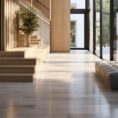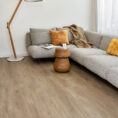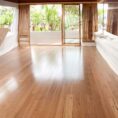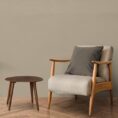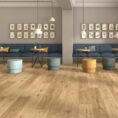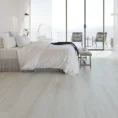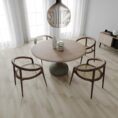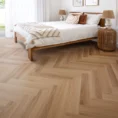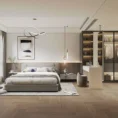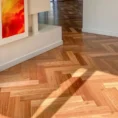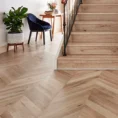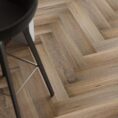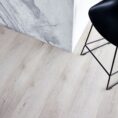
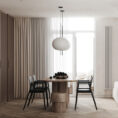
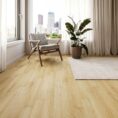





For Melbourne homeowners who value design, durability, and modern elegance, Engineered Timber Flooring has quickly become the preferred choice for modern interiors. At Arta Floor, we help clients select their ideal engineered timber flooring completely online, providing a streamlined digital shopping experience combined with expert technical advice and premium quality products.
As the demand for stylish and practical flooring solutions continues to grow, engineered timber flooring stands out for its superior stability, natural appearance, and versatility across residential and commercial environments. Moreover, Melbourne’s climate—with its frequent humidity changes—makes engineered timber one of the most dependable options available today. In this extensive guide, you will learn what engineered timber flooring is, how it is made, how it performs in real homes, and why it is considered the highest-value upgrade for contemporary Australian interiors. Additionally, we outline how it compares to solid hardwood and help you choose the best engineered timber flooring for design projects, renovations, and new builds.
Engineered timber flooring is an advanced, multi-layered flooring system designed to replicate the beauty of solid hardwood while offering improved performance, stability, and longevity. Rather than being milled from a single block of wood, engineered floorboards combine a genuine hardwood top layer with a highly stable core, making the boards resistant to environmental pressures such as moisture, heat, and seasonal movement.
This structural improvement gives engineered timber flooring a significant advantage over traditional hardwood floors. Melbourne experiences ongoing shifts in temperature and humidity across the seasons, which can cause solid timber to expand, contract, or cup. Engineered boards, however, remain flatter and more stable under the same conditions. As a result, they provide homeowners with a long-lasting flooring solution that maintains its visual appeal year after year.
| Layer | Material | Function |
| Surface | Premium hardwood veneer | Delivers the natural grain, warmth, and authentic timber appearance |
| Core | Cross-laminated plywood | Provides enhanced stability and reduces movement |
| Base | Stabilising support layer | Ensures structural balance and long-term performance |
The multi-layered design of engineered timber flooring increases its durability and makes it suitable for a wide range of applications. Additionally, engineered boards allow for wider planks, longer lengths, and visually consistent finishes, which are highly sought after in modern architectural design. This engineered structure is what allows homeowners to enjoy the richness of genuine timber while benefiting from advanced performance characteristics not available in solid hardwood.
Engineered boards also come pre-finished, eliminating sanding or polishing on-site. This reduces installation time, minimises dust, and ensures a flawless, factory-applied finish that is more durable than most site-applied coatings.

The manufacturing process behind engineered timber flooring blends craftsmanship, innovation, and precision engineering. Each stage contributes to the product’s overall performance, appearance, and sustainability. By understanding how engineered timber flooring is made, homeowners gain insight into why it has become a dependable and future-proof flooring solution.
Every step of the process is designed not only to produce visually appealing flooring but also to ensure long-term stability and sustainability. The result is a premium engineered flooring product capable of withstanding daily use, environmental changes, and evolving interior trends.
An engineered floor is a flooring system constructed using multiple layers, designed specifically to improve stability, reduce movement, and increase resilience. While solid timber floors are made from a single slab of wood, engineered floors have a layered structure that offers superior performance in environments where moisture or temperature fluctuations are common.
Engineered flooring is especially valuable in Australian climates, where humidity levels rise in summer and drop sharply in winter. These seasonal changes cause solid timber to expand and contract, sometimes leading to cupping or cracking. Engineered timber flooring, however, remains stable, making it ideal for:
Because of these benefits, engineered timber flooring is now widely used in luxury design projects, commercial developments, and high-value home renovations.
The term engineered wood flooring is simply another name for engineered timber flooring. Both refer to a multi-layered flooring plank topped with genuine hardwood. Many homeowners mistakenly assume engineered wood flooring is artificial or synthetic, but this is not true. The visible surface layer is real timber, while the internal layers provide engineered reinforcement.
| Feature | Engineered Timber | Solid Timber |
| Structure | Multi-layered | Single solid piece |
| Moisture Resistance | High | Low |
| Sustainability | High (less hardwood used) | Moderate |
| Price | $$ (cost-effective) | $$$$ (premium) |
| Refinishing | 1–2 times depending on veneer thickness | Multiple times |
While solid timber is still valued for its traditional craftsmanship, engineered timber flooring offers a better balance of practicality, value, and performance in most modern environments.

Choosing the best engineered timber flooring involves evaluating factors such as grain style, colour tone, durability requirements, room size, and natural lighting. Below is a comparison of the most commonly selected timber species for Australian design projects.
| Wood Type | Design Appeal | Durability | Maintenance |
| European Oak | Classic and timeless; ideal for luxury interiors | High | Low |
| Blackbutt | Bright and modern aesthetic; popular in contemporary homes | Very High | Low |
| Spotted Gum | Bold variation; strong, rich colours for statement spaces | Extremely High | Medium |
European Oak remains the top choice among interior designers because its subtle grain and soft tone complement almost every modern design style, including Scandinavian, minimalist, coastal, and luxury interiors. It also pairs exceptionally well with wide planks, brushed finishes, and matte coatings.
Engineered floorboards are precision-machined planks developed to deliver exceptional performance and design flexibility. Because these boards are engineered for stability, they maintain a consistent appearance even across large open-plan areas. They are available in a wide range of finishes—brushed, smoked, limed, matte, satin, or gloss—allowing homeowners to customise their space according to their preferred aesthetic.
Engineered floorboards are often chosen for penthouses, boutique developments, galleries, retail stores, and premium renovations where long-lasting visual impact is essential.
Yes. Engineered flooring includes a genuine hardwood top layer, which means it offers the same natural grain, warmth, and premium feel as solid timber. The engineered core simply enhances performance by preventing structural movement and improving durability.
| Property | Engineered Timber | Solid Timber |
| Surface | Real hardwood veneer | Real hardwood |
| Core | Engineered plywood | Solid wood |
| Resistance to Warping | Excellent stability | Moderate stability |
| Weight | Light and easy to work with | Heavy |
This combination of authentic hardwood surface with engineered reinforcement makes engineered timber flooring one of the most advanced timber products available.
All Arta Floor engineered timber flooring products comply with strict Australian and international safety standards. Modern manufacturing processes prioritise indoor air quality, making engineered timber flooring an excellent choice for families, children, and allergy-sensitive homeowners.
Combined, these standards make engineered timber flooring one of the safest and most environmentally friendly flooring materials available today.
Because of these advantages, engineered timber flooring remains the preferred choice for architects, designers, builders, and homeowners seeking a long-lasting and visually stunning flooring solution.

Engineered timber flooring is designed for low maintenance, but proper care will help protect its appearance and longevity. With a few simple habits, your floors will remain beautiful for decades.
These simple steps will help maintain the finish, prevent damage, and extend the life of your engineered floors.
Yes. The top surface is genuine timber, offering the same warm, natural appearance as solid hardwood.
With proper care, engineered flooring typically lasts 20–30 years, making it an excellent long-term investment.
Yes. Most engineered boards can be sanded and refinished once or twice, depending on the veneer thickness.
Absolutely. Engineered floors are quiet, stable, and compatible with acoustic underlays required for multi-residential buildings.
No. Arta Floor supplies only low-VOC, eco-certified engineered flooring materials that meet strict global health standards.
Yes. Through Arta Floor’s online platform, you can review colours, finishes, specifications, pricing, and availability in one place.
Upgrading your home starts with choosing materials that enhance both style and longevity. With its stability, natural warmth, and architectural versatility, engineered timber flooring remains one of Melbourne’s most reliable choices for contemporary renovations and new builds. Arta Floor’s full range of engineered flooring provides homeowners with curated options that suit modern, coastal, Scandinavian, and luxury interiors alike.
For a broader view of timber innovations across Australia, resources such as Ozworld offer additional insights into material performance and design trends, including specialised ranges like engineered eucalyptus flooring.
With the right engineered timber floor, every room feels more refined, cohesive, and ready for the next chapter of your home’s life.