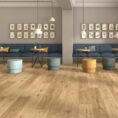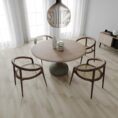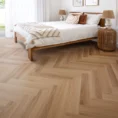







Choosing the right engineered timber flooring thickness is one of the most critical decisions when planning a flooring upgrade. Thickness directly impacts durability, acoustic performance, refinishing capability, and long-term structural stability. In Australia, where climate variation, concrete slab construction, and modern building standards are common, selecting the correct thickness is essential to avoid premature wear or costly replacements.
This guide explains what engineered timber flooring thickness really means, how different thickness levels perform in real-world conditions, and what is the best thickness for engineered wood flooring across Australian residential and commercial applications.
Engineered timber flooring thickness refers to the total depth of the board, measured from the surface timber layer to the bottom stabilising layer. Unlike solid timber, engineered flooring is constructed using multiple bonded layers designed to improve dimensional stability and moisture resistance.
A typical engineered timber board consists of:
It is important to understand that total board thickness and wear layer thickness are not the same. Both must be evaluated when selecting flooring for long-term performance.
In the Australian market, engineered timber flooring typically ranges between 10mm and 21mm in total thickness. Each thickness category serves a different purpose depending on installation conditions, budget, and expected traffic levels.
| Total Thickness | Typical Wear Layer | Common Applications |
|---|---|---|
| 10–12mm | 1.2–2mm | Apartments, renovations, low-height overlays |
| 14–15mm | 2–3mm | Standard Australian homes |
| 18–21mm | 3–6mm | Luxury homes, commercial interiors |
| Thickness | Structural Stability | Refinishing Potential | Acoustic Performance | Best Use Case |
|---|---|---|---|---|
| 10–12mm | Moderate | Limited (0–1 sand) | Low–Medium | Light traffic, apartments |
| 14–15mm | High | 1–2 sands | Medium | Most Australian homes |
| 18–21mm | Very High | 2–4 sands | High | High-end and commercial spaces |
The best thickness for engineered wood flooring depends on how the space will be used, the subfloor type, and long-term expectations.
For most Australian households, 14–15mm engineered timber flooring is the optimal choice. It offers an ideal balance of strength, comfort, sound insulation, and refinishing capability without excessive cost.
Where floor height restrictions apply, 10–12mm engineered timber flooring is suitable. However, buyers should be aware that thinner boards offer reduced acoustic performance and minimal sanding potential.
For premium homes or commercial environments, 18–21mm engineered timber flooring provides exceptional durability, deeper wear layers, and superior acoustic insulation.
The wear layer is the real timber surface that can be sanded and refinished. A thicker wear layer significantly extends the lifespan of engineered timber flooring.
| Wear Layer Thickness | Estimated Lifespan | Refinishing Capability |
|---|---|---|
| 1–2mm | 10–15 years | Very limited |
| 2–3mm | 20–30 years | 1–2 sands |
| 4–6mm | 40+ years | Multiple sands |
Engineered timber flooring thickness determines which installation methods are suitable.
| Thickness | Floating | Glue-Down | Nail-Down |
|---|---|---|---|
| 10–12mm | Yes | Yes | No |
| 14–15mm | Yes | Yes | Sometimes |
| 18–21mm | No | Yes | Yes |
Engineered timber flooring is suitable for underfloor heating when the correct thickness is selected. In Australia, 12–15mm boards are commonly recommended due to their balance of heat transfer and stability.
Australia’s climate variations demand engineered flooring with sufficient thickness and cross-laminated construction. In coastal and high-humidity regions, boards thinner than 12mm may experience movement or reduced lifespan.
For reliable performance across most Australian environments, 14mm or thicker engineered timber flooring is strongly recommended.
| Thickness | Average Price Range (AUD/m²) |
|---|---|
| 10–12mm | $70 – $110 |
| 14–15mm | $90 – $150 |
| 18–21mm | $130 – $220 |
For expert advice and professional supply options, visit:
Selecting the correct engineered timber flooring thickness ensures long-term performance, comfort, and value. For most Australian homes, 14–15mm engineered flooring with a wear layer of at least 2.5–3mm provides the most balanced solution. Thinner boards suit restricted spaces, while thicker boards deliver premium durability for high-end applications.
For most Australian homes, 14–15mm engineered timber flooring offers the best balance of durability, stability, and refinishing potential.
Not necessarily. Thicker flooring is more durable but may not suit apartments, renovations, or underfloor heating systems.
Yes. Sanding depends on wear layer thickness. Floors with 2.5–3mm wear layers can typically be sanded once or twice.
Glue-down engineered timber flooring at 14–15mm thickness is ideal for concrete slabs in Australian homes.
Yes. Thicker engineered timber flooring generally provides better acoustic performance and reduced footfall noise.