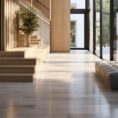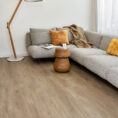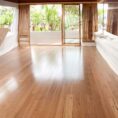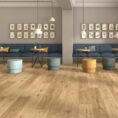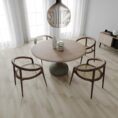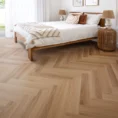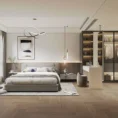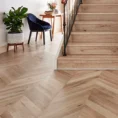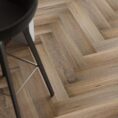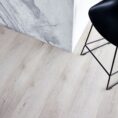


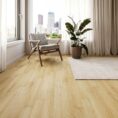




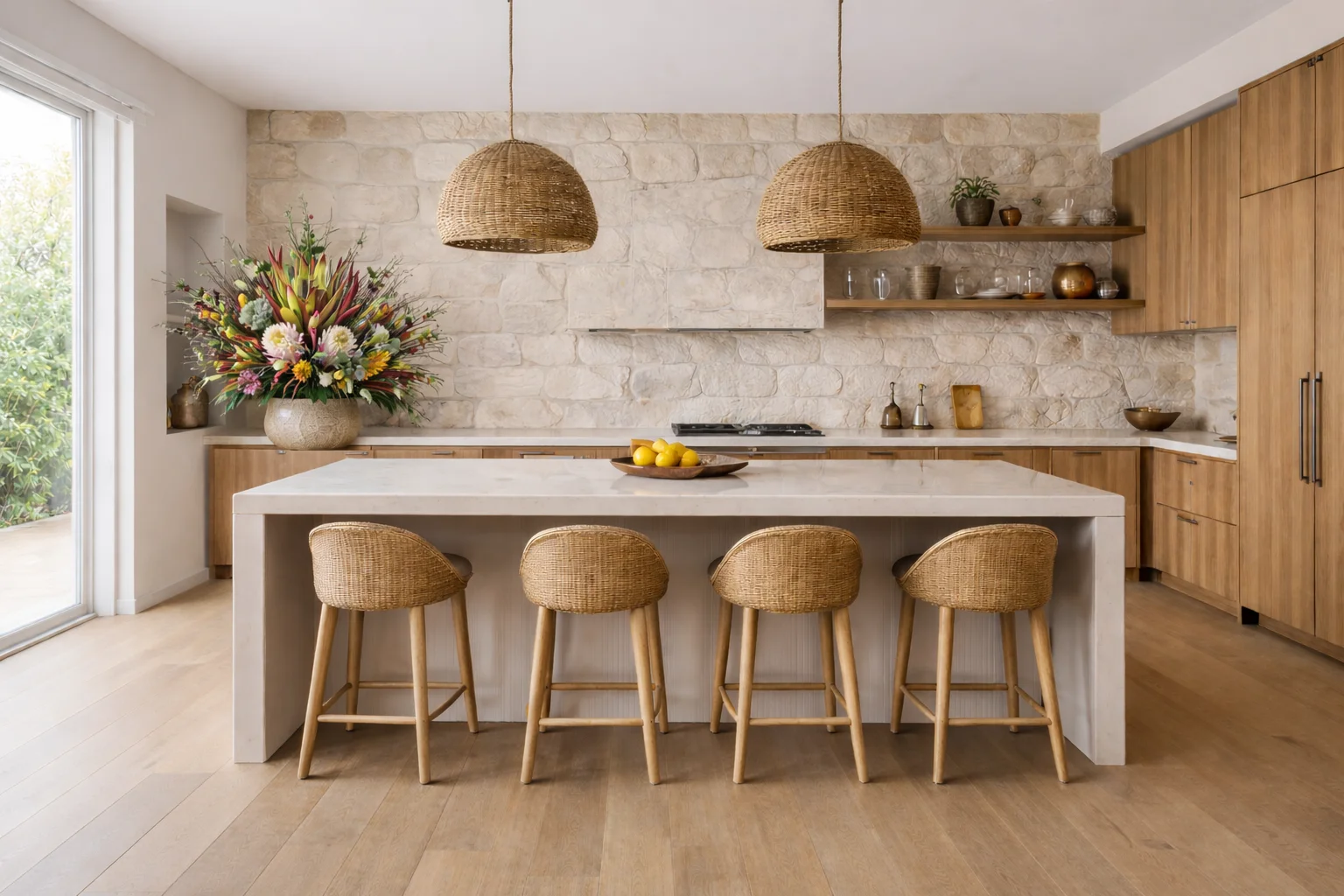
Choosing the right flooring is a critical decision for any renovation or new build. Among the most popular options in Australia, engineered timber flooring is widely recognised for its balance of aesthetics, stability, and performance.
However, before committing to this flooring type, it is essential to clearly understand the engineered timber flooring pros and cons. This comprehensive guide examines the advantages and disadvantages in detail, helping Australian homeowners, builders, and designers make informed, climate-appropriate decisions.
Engineered timber flooring is a multi-layered timber flooring system designed to provide the natural appearance of real wood with improved dimensional stability.
Unlike solid hardwood boards, engineered timber flooring is constructed from:
This layered structure plays a critical role when assessing the engineered timber flooring pros and cons, particularly in Australian climate conditions.
Australia’s diverse climate creates challenges for traditional solid timber flooring. Humidity swings, temperature variation, and concrete slab construction demand a more stable solution. Engineered timber flooring has gained popularity because, when reviewing engineered timber flooring pros and cons, it consistently delivers:

One of the most compelling engineered timber flooring pros is the authentic timber surface. Because the top layer is real hardwood, each plank features natural grain variation, knots, and tonal depth. Popular species used in Australia include:
A major factor in the engineered timber flooring pros and cons discussion is stability. The cross-layered core dramatically reduces movement caused by moisture and temperature changes. Engineered timber flooring resists:
Another standout advantage when evaluating engineered timber flooring pros and cons is its compatibility with hydronic underfloor heating systems. The layered structure allows even heat distribution and reduced stress on the timber veneer.
Compared to solid timber, engineered timber flooring offers installation versatility:
This flexibility reduces installation time and labour costs.
From an environmental perspective, one of the key engineered timber flooring pros is material efficiency. Less hardwood is used per board, helping reduce pressure on slow-growing timber species.
| Feature | Advantage | Limitation |
|---|---|---|
| Appearance | Real hardwood surface | Veneer thickness varies |
| Stability | Highly resistant to movement | Not completely moisture-proof |
| Installation | Flexible and efficient | Requires level subfloor |
| Cost | More affordable than solid timber | Higher than laminate or vinyl |
| Sustainability | Efficient timber usage | Still relies on natural resources |
One of the most significant engineered timber flooring cons relates to sanding and refinishing. The ability to refinish depends on veneer thickness:
While engineered timber handles humidity better than solid timber, it is not waterproof. When analysing engineered timber flooring pros and cons, prolonged water exposure remains a key limitation.
Lower-quality products may use inferior core materials or adhesives, reducing lifespan and performance. Selecting a reputable supplier is critical.
Although more affordable than solid timber, engineered timber flooring costs more than laminate, hybrid, or vinyl flooring systems.
| Feature | Engineered Timber | Solid Timber |
|---|---|---|
| Stability | High | Moderate |
| Installation Areas | Concrete and plywood | Primarily plywood |
| Refinishing | Limited | Multiple refinishes |
| Cost | Lower | Higher |
| Timber Efficiency | More sustainable | Higher timber consumption |
Understanding the engineered timber flooring pros and cons also means recognising maintenance requirements:

For many homeowners, the answer is yes. When carefully weighing the engineered timber flooring pros and cons, it delivers natural timber beauty, improved climate performance, and long-term value when installed correctly.
Yes. It is specifically designed to manage Australian climate variations better than solid timber.
Yes, depending on veneer thickness. Premium products allow light refinishing.
No. Moisture-resistant but not suitable for wet areas.
With proper care, 20–40 years is common.
A clear understanding of the engineered timber flooring pros and cons is essential before investing. This flooring type combines the warmth of real timber with enhanced stability and installation flexibility, making it one of the most practical timber flooring solutions for Australian homes. Learn more about professional installation options at
engineered timber flooring specialists
or
contact a flooring expert
.
For additional industry insight, visit
timber flooring types guide
.