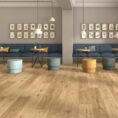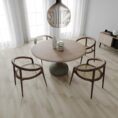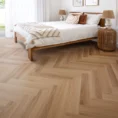





Engineered flooring is one of the most popular choices for Melbourne homeowners seeking a balance of natural beauty, stability, and long‑term performance. But one question appears consistently searches: Is engineered flooring waterproof? While Engineered Timber performs better than solid timber in moisture‑variable environments, it is not fully waterproof. Instead, it offers varying degrees of water resistance depending on construction, core material, coating quality, and installation.
This comprehensive guide explains exactly how engineered flooring reacts to moisture, what ‘water‑resistant’ really means, which products perform best, and what to consider before installation.
Engineered flooring is built from multiple layers: a real hardwood veneer on top, bonded to stable plywood or HDF layers underneath. This multi‑layered construction makes it more moisture‑tolerant than solid timber, but still sensitive to prolonged water exposure.
Short Answer: No—but it can be water‑resistant.
Engineered floors are not fully waterproof like vinyl or hybrid flooring. Instead, high‑quality engineered boards provide enhanced water resistance, meaning they can tolerate:
But they must not be exposed to standing water, flooding, or long‑term humidity.

Although no engineered floor is truly waterproof, some perform exceptionally well due to superior coatings or core materials.
Arta Floor customers typically prefer engineered ranges with enhanced coatings—ideal for Melbourne homes with active families.
Yes—engineered flooring is generally water‑resistant, meaning:
But water‑resistant does not mean waterproof.
Engineered flooring can be installed in:
It is not recommended for:

High‑quality coatings protect the veneer from short‑term spills.
Engineered construction reduces cupping and warping.
Standing water can penetrate the veneer and cause swelling.
Incorrect installation or missing moisture barriers can damage boards.
Engineered flooring falls into the water‑resistant category.
It depends on:
For most homes, engineered flooring is acceptable in low‑spill kitchens, but hybrid, laminate, or vinyl may be more reliable for high‑moisture environments.

To ensure long life:
| Feature | Engineered Flooring | Waterproof Flooring (Hybrid/Vinyl) |
| Waterproof | ❌ | ✔️ |
| Water‑Resistant | ✔️ | ✔️ |
| Handles Spills | ✔️ | ✔️✔️ |
| Suitable for Wet Areas | ❌ | ✔️ |
| Real Timber Surface | ✔️ | ❌ |
No, but high‑quality engineered floors offer excellent water resistance.
Options with UV‑cured or aluminium‑oxide coatings and moisture‑resistant HDF cores perform the best.
Yes, in low‑spill environments—though hybrid or vinyl is safer.
Yes, its layered construction handles humidity changes better than solid timber.
Wipe spills quickly, avoid wet‑area installation, and use moisture barriers.
Engineered flooring offers natural beauty with improved stability and moisture‑tolerance, making it a top choice for modern Melbourne homes. With the right care and product selection, it delivers decades of style and performance.