

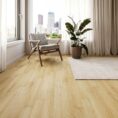





Vinyl flooring has become one of the most practical and design‑friendly choices for modern Melbourne households thanks to its durability, versatility, and impressive resistance to everyday spills. One of the most common questions customers ask when choosing new flooring is: Is vinyl flooring waterproof?
This detailed guide explains how vinyl behaves around moisture, which varieties offer full waterproof performance, and where vinyl flooring can be safely installed throughout Melbourne homes.
Vinyl flooring is often described as waterproof or water‑resistant, but these terms can mean different things depending on the product structure. Homeowners frequently search questions like are vinyl flooring waterproof, can vinyl flooring get wet, and what vinyl flooring is waterproof when trying to understand which products best suit moisture‑prone areas.
Vinyl flooring performs well because:
In general, high‑quality vinyl flooring—especially SPC—can withstand everyday water exposure exceptionally well.

Different types of vinyl flooring offer different moisture‑handling strengths. Understanding these variations helps Melbourne homeowners choose flooring that suits their lifestyle and space.
The short answer: Yes.
Vinyl flooring is designed to handle:
However, even waterproof vinyl should not remain covered in standing water for long periods. Water that settles around edges or skirting may eventually reach the subfloor.
Quick cleanup is always recommended.

Yes.Waterproof vinyl flooring is a highly practical choice for bathrooms because it:
Proper installation, particularly sealing around edges and fixtures, is essential for long‑term performance.
Vinyl should not be installed outdoors because:
Vinyl performs beautifully indoors but should not be used on patios, balconies, or exterior walkways.
Customers researching moisture‑friendly flooring often ask which vinyl flooring is best for bathrooms or what vinyl flooring for bathroom.
Best choices include:
These options work exceptionally well across Melbourne homes with varying humidity levels.

No. Steam mopping introduces extreme heat and moisture, which can:
Use a microfiber mop and a vinyl‑safe cleaning solution for best results.
| Vinyl Type | Waterproof Level | Ideal Rooms | Notes |
| SPC Vinyl | Fully waterproof | Bathrooms, kitchens, laundries | Best moisture stability |
| LVP | Waterproof/highly resistant | Living rooms, bedrooms, kitchens | Check product rating |
| WPC | Water‑resistant | Bedrooms, studies, lounge areas | Not ideal for heavy moisture |
| Sheet Vinyl | Highly resistant | Kitchens, laundries | Edge sealing is important |
| Outdoor Use | Not suitable | ❌ Exterior areas | Prone to sun and weather damage |

To help maintain vinyl flooring in top condition:
These practices help protect vinyl flooring over many years of everyday use.
Yes. Many vinyl products—especially SPC—offer excellent waterproof performance.
Yes. Vinyl tolerates moisture very well but avoid prolonged pooling.
Yes, as long as you choose a waterproof-rated product.
No. Outdoor environments can damage vinyl flooring.
SPC, high‑quality LVP, or moisture‑resistant sheet vinyl.
No. Steam may weaken flooring layers and reduce durability.
Waterproof vinyl flooring is a stylish, practical, and long‑lasting option for modern Melbourne living. Whether you’re renovating a bathroom, updating a kitchen, or refreshing a living space, choosing the right vinyl floor ensures excellent performance in both dry and humid environments.