








Laminate flooring remains one of the most popular choices for Melbourne homes thanks to its durability, affordability, and impressive timber‑look visuals. But one question homeowners often ask is: Do Laminate Flooring need underlayment? The short answer is yes—underlayment plays a crucial role in performance, comfort, and long‑term stability. This guide explains why underlay matters, which type is best for your home, and how it affects installation results.
Laminate flooring underlayment is a thin, supportive layer installed beneath laminate planks. It provides cushioning, acoustic improvement, moisture protection, and subfloor correction. Underlayment ensures your flooring performs at its best while extending the life of the installation.
Yes. Laminate flooring always requires some form of underlay unless the product specifically has a built‑in underlayment attached. Without underlay, laminate may feel hollow, sound noisy, shift underfoot, or become prone to moisture issues.

Underlayment is required on concrete, timber, and hybrid subfloors. However, the type of underlay may differ depending on moisture exposure, sound requirements, or subfloor unevenness.
Underlayment improves comfort, reduces noise, prevents moisture from damaging laminate planks, compensates for subfloor imperfections, and stabilises the floating‑floor system. It also enhances insulation, making laminate feel warmer underfoot.
Melbourne’s family homes, especially multi‑level houses and apartments, benefit greatly from acoustic underlay. It reduces footstep noise and makes everyday living more comfortable and quieter.
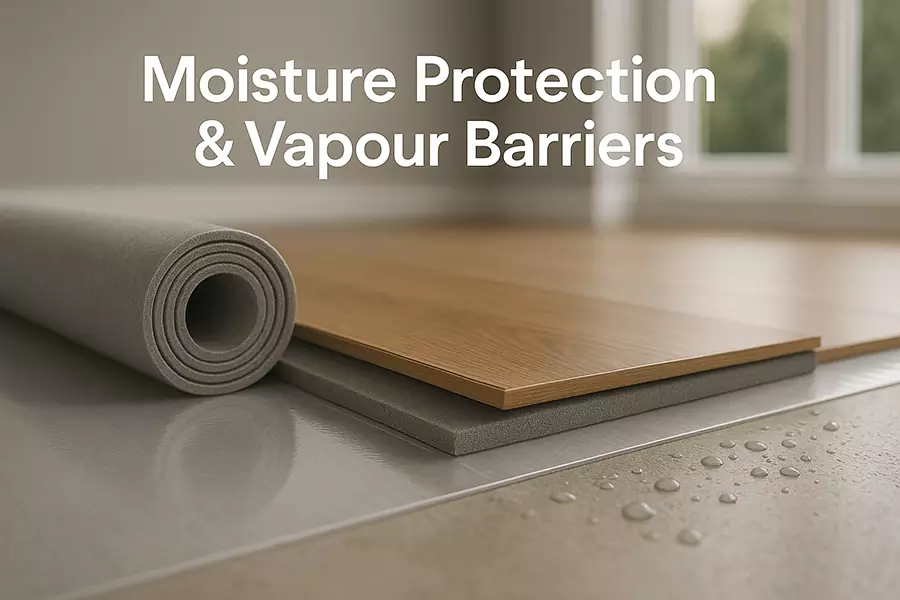
Concrete and ground‑floor installations require a moisture barrier to prevent rising damp from affecting laminate boards. Many underlays come with an integrated vapour barrier for reliable protection.
Underlayment can smooth out small dips and inconsistencies in the subfloor. While it won’t fix major unevenness, it helps laminate float more evenly and prevents movement or gaps.
Choosing the best laminate flooring underlay depends on your home’s subfloor type and performance needs. Foam, rubber, felt, and acoustic underlays all offer different benefits. In moisture‑prone areas, underlays with vapour barriers are recommended.
Concrete subfloors need moisture protection, while timber subfloors benefit more from acoustic performance and cushioning. The right choice depends on your installation environment.
Some laminate products come with pre‑attached underlay. Even in these cases, installers may add a moisture barrier on concrete subfloors or additional acoustic layers.
Without underlayment, laminate may suffer from creaking sounds, moisture damage, instability, and reduced comfort underfoot. Proper underlay prevents these long‑term problems.

| Feature | With Underlayment | Without Underlayment |
| Moisture Protection | Yes | No |
| Acoustic Reduction | Strong | Poor |
| Comfort | High | Low |
| Stability | Improved | Inconsistent |
| Insulation | Better | Minimal |
Conditions vary between Melbourne CBD apartments, suburban homes, and townhouses. Acoustic performance is crucial for upstairs rooms, while moisture protection is essential for concrete foundations common in many areas.
Yes. Melbourne homes often benefit from acoustic and moisture protection underlays depending on the subfloor.
Absolutely. Concrete installations need a moisture barrier to prevent damage to laminate boards.
Underlayment improves comfort, reduces sound, and protects from moisture while ensuring a stable floating‑floor installation.
Acoustic underlay is ideal as it reduces noise transmission between levels.
No. Floating floors require underlayment for proper performance and protection.
Selecting the right underlayment ensures your laminate floor looks great, feels comfortable, and performs well for years. With the proper foundation, your flooring investment becomes even more worthwhile.