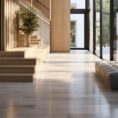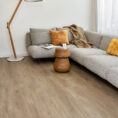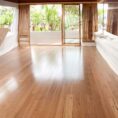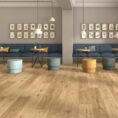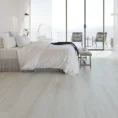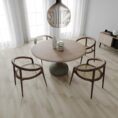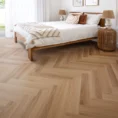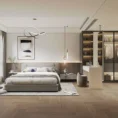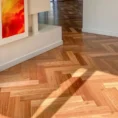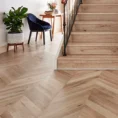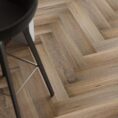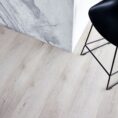
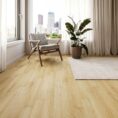





Engineered timber vs laminate flooring is one of the most searched and debated flooring comparisons in Australia in 2026. As homeowners increasingly focus on durability, aesthetics, moisture performance, and long-term value, choosing the right flooring has become far more complex than simply selecting a timber look.
Although engineered timber flooring and laminate flooring may appear similar at first glance, their internal construction, performance under Australian climate conditions, lifespan, and resale impact are fundamentally different. Therefore, making the wrong choice can result in premature damage, unexpected replacement costs, or reduced property value.
Because Australia experiences wide temperature fluctuations, seasonal humidity changes, and predominantly concrete slab construction, flooring must perform under challenging conditions. For this reason, understanding the real-world differences between engineered timber vs laminate flooring is essential before committing to either option.
This engineered timber vs laminate flooring full comparison is written specifically for Australian homes in 2026, based on current manufacturing standards, installation practices, and buyer expectations.

Engineered timber flooring is a premium, multi-layer timber product designed to provide the authentic beauty of real wood while improving structural stability. Unlike solid timber flooring, engineered timber is specifically engineered to reduce movement caused by temperature and humidity changes.
It consists of a genuine hardwood veneer bonded to multiple layers of plywood or hardwood, which are laid in alternating directions. As a result, this layered construction significantly minimises expansion and contraction.
Because engineered timber contains real timber on the surface, no two boards are identical. Consequently, it delivers depth, warmth, and character that synthetic flooring cannot fully replicate.
Laminate flooring is a synthetic flooring product designed to replicate the look of timber at a more affordable price point. Instead of real wood, laminate uses advanced photographic imaging combined with a protective wear layer.
Modern laminate flooring in 2026 has improved significantly compared to earlier generations. It now features embossed textures, matte finishes, and realistic grain patterns that closely resemble timber.
Although laminate does not contain real timber on its surface, it remains popular due to its affordability, durability against scratches, and low maintenance requirements.
| Feature | Engineered Timber Flooring | Laminate Flooring |
|---|---|---|
| Surface Material | Real hardwood veneer | Printed timber image |
| Core Construction | Multi-layer plywood or hardwood | High-density fibreboard (HDF) |
| Authenticity | 100% natural timber look and feel | Timber-look only |
| Repairability | Can be sanded and refinished | Cannot be repaired |
| Expected Lifespan | 25–50+ years | 10–20 years |
Durability is one of the most critical factors when comparing laminate vs engineered flooring in Australia.
Engineered timber flooring offers excellent long-term durability. With correct installation and routine maintenance, it can last several decades. Importantly, engineered timber floors with thicker wear layers can be sanded and refinished, restoring their appearance multiple times throughout their lifespan.
Laminate flooring, on the other hand, excels in surface durability. Its tough melamine wear layer resists scratches, scuffs, and everyday wear extremely well. However, once laminate flooring is damaged—particularly by moisture—it cannot be repaired and must be replaced.
Verdict: Laminate flooring is tougher against surface wear, while engineered timber flooring delivers superior longevity.
Australian homes present unique challenges due to climate variation, coastal humidity, and concrete slab construction. Engineered timber flooring performs better than solid timber, yet it is still a timber-based product. Therefore, it is best suited to dry internal areas such as living rooms, bedrooms, and dining spaces.
Laminate flooring in 2026 offers improved moisture resistance compared to older versions. However, prolonged water exposure can cause swelling of the HDF core, leading to irreversible damage.
Neither engineered timber nor laminate flooring is waterproof. Consequently, bathrooms, laundries, and wet areas require alternative flooring solutions.
When it comes to aesthetics, engineered timber flooring remains the premium option in Australia. Because it uses real timber, engineered flooring provides natural variation, depth, and warmth. These qualities are highly valued by buyers and contribute positively to property resale value.
Laminate flooring has improved visually; however, it still lacks the organic variation of genuine timber. While it offers excellent value, it does not deliver the same prestige or emotional appeal.
| Cost Category | Engineered Timber | Laminate |
|---|---|---|
| Material Cost (per m²) | $80 – $160 | $25 – $60 |
| Installation Cost (per m²) | $45 – $80 | $30 – $50 |
| Total Installed Cost | $125 – $240 | $55 – $110 |
Although laminate flooring is significantly cheaper upfront, engineered timber flooring often delivers stronger long-term value due to its lifespan and resale appeal.
Engineered timber flooring requires routine maintenance, including sweeping, gentle cleaning products, and periodic refinishing. Laminate flooring is easier to maintain day-to-day. However, its inability to be repaired means replacement costs may arise sooner.
Ultimately, the answer depends on your priorities.
In conclusion, engineered timber vs laminate flooring is a decision between premium performance and affordability. Engineered timber flooring stands out as the superior long-term investment for Australian homes in 2026, offering unmatched authenticity, lifespan, and resale value.
For trusted product ranges, explore
Laminate Flooring (Arta Floor) and
Engineered Flooring (Arta Floor).
For premium Australian timber inspiration, visit
Tudor Woods – Premium Timber Flooring.
Yes. Engineered timber offers real timber aesthetics, longer lifespan, and higher resale value compared to laminate flooring.
Most engineered timber floors with a 3mm or thicker wear layer can be sanded at least once.
No. Laminate flooring is water-resistant only and can be damaged by prolonged moisture exposure.
Engineered timber flooring consistently adds more value than laminate flooring in Australian homes.