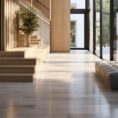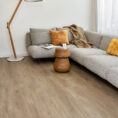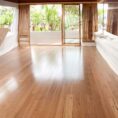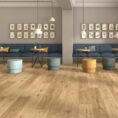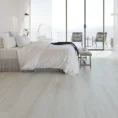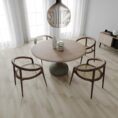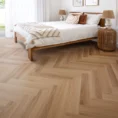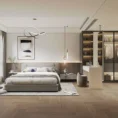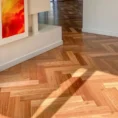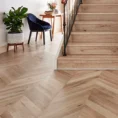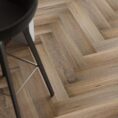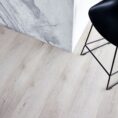




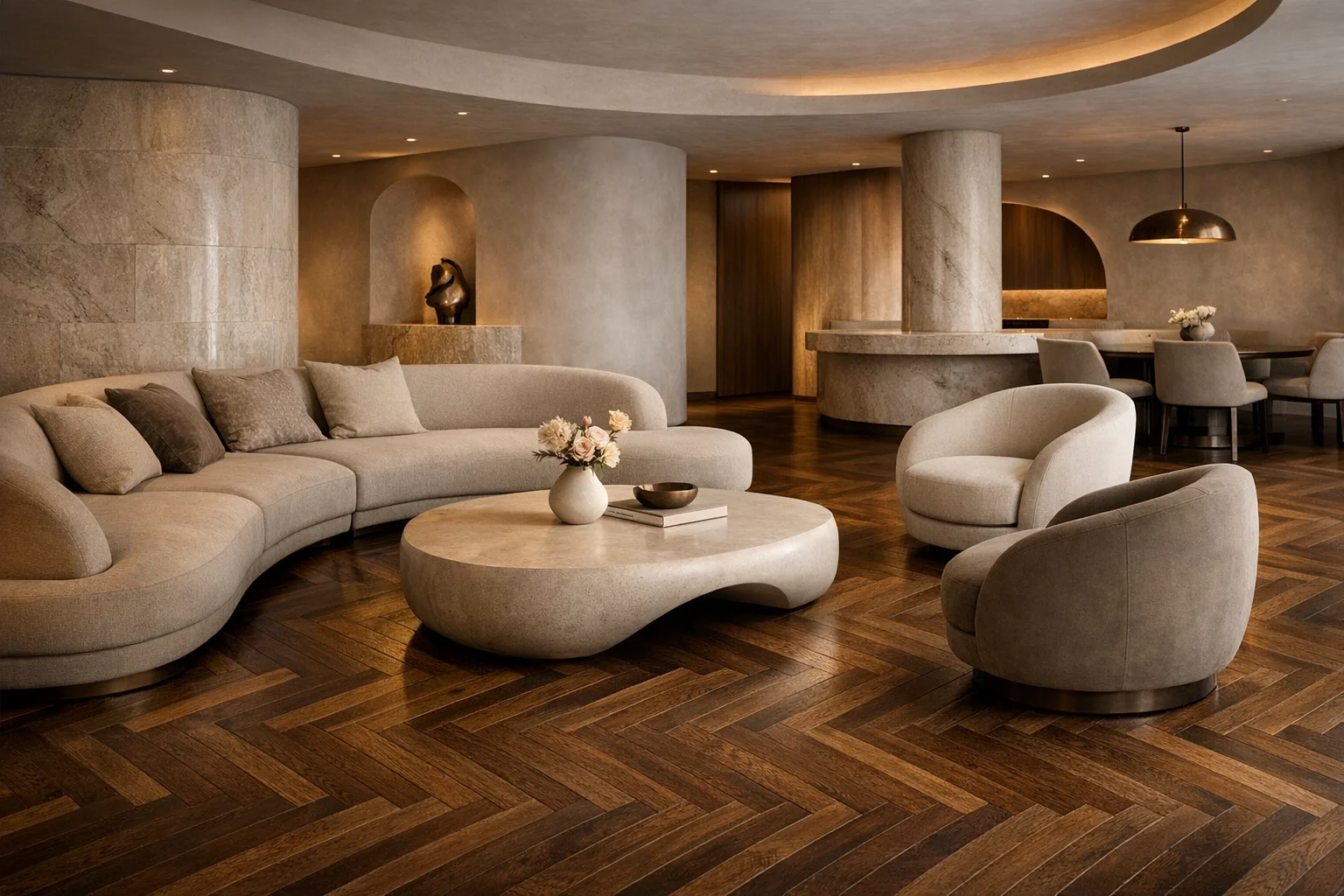
Engineered herringbone flooring has become one of the most desirable premium flooring styles in Australia for 2026. Because homeowners now demand both visual impact and structural reliability, this flooring solution delivers the best of both worlds.
It combines the timeless elegance of a herringbone pattern with the stability of modern engineered timber construction. Unlike traditional solid timber herringbone, engineered herringbone flooring performs reliably over concrete slabs and under changing Australian climate conditions. As a result, it is increasingly specified in luxury homes, apartments, and architectural renovations across Australia.

| Layer | Purpose |
|---|---|
| Top Wear Layer | Real hardwood veneer, commonly European Oak |
| Core Layer | Cross-laminated plywood for strength and stability |
| Backing Layer | Balances board tension and prevents warping |
In 2026, Australian homeowners prioritise flooring that delivers durability, design value, and long-term return. Engineered herringbone flooring meets these expectations while offering a distinctive architectural finish.
Understanding the engineered herringbone flooring price is essential before committing to this premium option. Because of material quality and specialised installation, pricing sits above standard engineered plank flooring.

| Cost Component | Price Range (AUD per m²) |
|---|---|
| Materials (Standard Range) | $65 – $100 |
| Materials (Premium European Oak AB Grade) | $89.95 – $119.95 |
| Professional Installation | $75 – $150 |
| Total Installed Cost | $180 – $300+ |
Engineered herringbone flooring installation is significantly more complex than straight plank installation. Therefore, accuracy, layout planning, and professional expertise are critical.
| Method | Suitability | Recommendation |
|---|---|---|
| Glue-Down | Concrete slabs | Highly recommended |
| Floating | Herringbone layouts | Not recommended |
| Nail-Down | Timber subfloors | Limited use only |
However, engineered herringbone flooring is not recommended for bathrooms, laundries, or other wet areas.
| Wear Layer Thickness | Estimated Lifespan |
|---|---|
| 3mm | 20–30 years |
| 4mm | 30+ years |
In conclusion, engineered herringbone flooring stands out as one of the most sophisticated, design-driven, and future-proof flooring solutions available in Australia for 2026. While the upfront cost is undeniably higher than standard plank flooring, this investment is justified by the exceptional combination of structural stability, long-term durability, and unmistakable architectural impact.
Unlike trend-based flooring options that date quickly, engineered herringbone flooring delivers a timeless European aesthetic that continues to add value year after year. More importantly, its engineered construction is specifically suited to Australian homes built on concrete slabs, where temperature shifts and humidity can cause solid timber to fail. As a result, homeowners gain peace of mind alongside premium design.
For owner-occupiers, engineered herringbone flooring elevates everyday living spaces and creates a strong sense of craftsmanship and luxury. Meanwhile, for high-end renovations and prestige builds, it significantly enhances resale appeal and buyer perception. Therefore, when long-term performance, visual distinction, and property value matter, engineered herringbone flooring consistently outperforms alternatives.
Recommended Resources:
Premium Engineered Herringbone Flooring Collection – Arta Floor
Australian Flooring Manufacturer Information – Preference Floors
Ultimately, if you are looking for a flooring solution that blends timeless elegance with modern engineering—and delivers reliable performance for decades—engineered herringbone flooring remains a smart, stylish, and future-ready choice for Australian homes in 2026.
Engineered herringbone flooring is a real timber floor built with layered construction and laid in a classic herringbone pattern for enhanced stability and visual impact.
In 2026, total installed costs typically range from $180 to $300+ per square metre, depending on material quality and installation complexity.
Yes. Glue-down installation makes engineered herringbone flooring ideal for concrete slabs commonly used in Australian homes.
With a 3–4mm wear layer and correct maintenance, engineered herringbone flooring can last 20–30 years or more.
No. Day-to-day maintenance is similar to other engineered timber floors, although repairs require professional expertise.