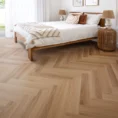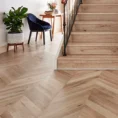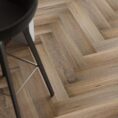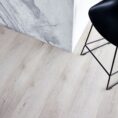


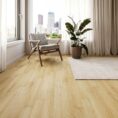




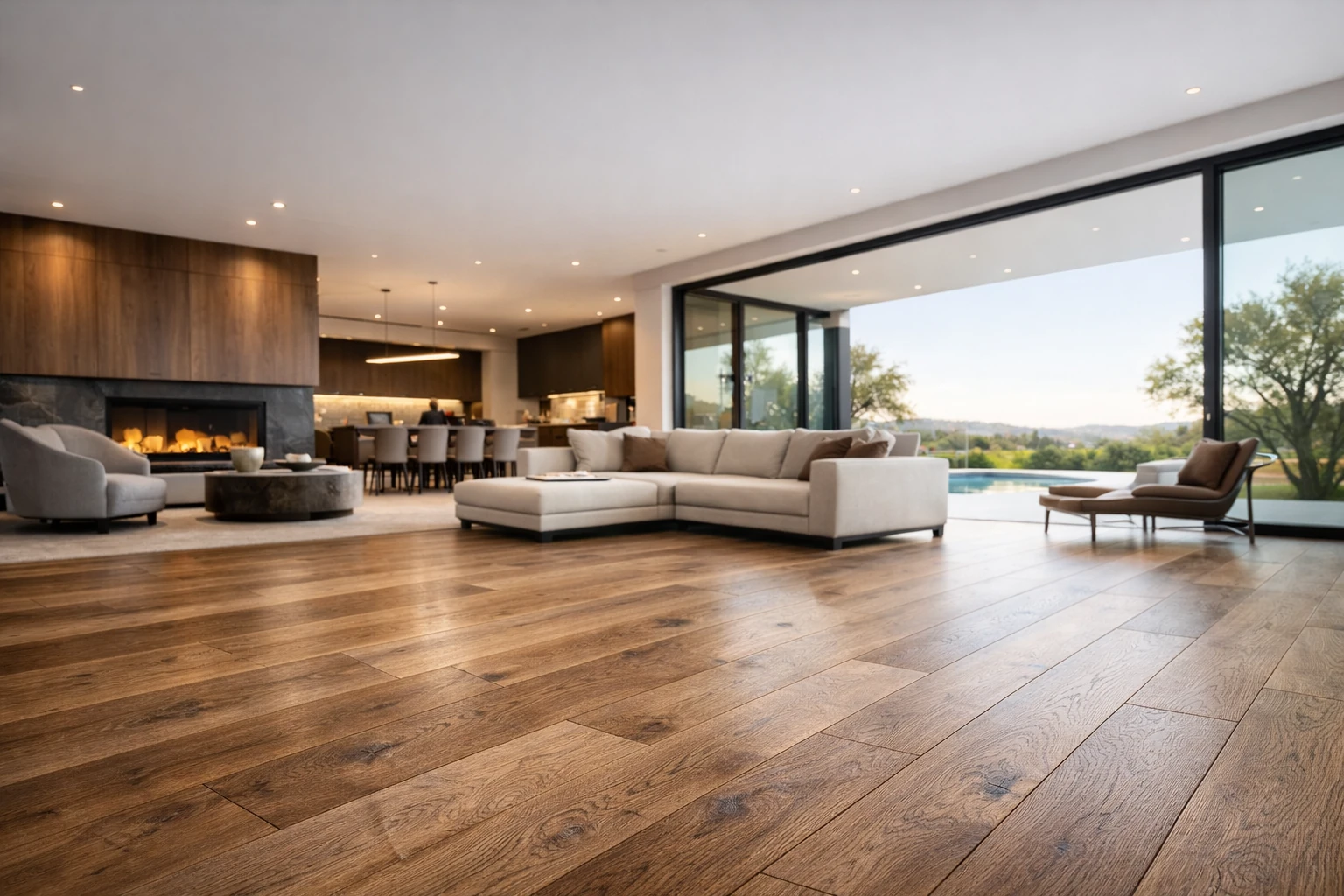
Choosing the right timber flooring is a significant decision for homeowners across Melbourne. When balancing durability, appearance, and long-term value, understanding the engineered flooring pros and cons is essential before making a final choice.
Engineered timber flooring has become increasingly popular due to its structural stability and natural timber finish. However, evaluating the real engineered flooring pros and cons helps homeowners decide whether this option suits their lifestyle, budget, and property conditions.
Many Melbourne homeowners explore this flooring type through trusted specialists such as
Arta Floor, which offers a wide range of modern timber flooring solutions.
This guide explains the engineered flooring pros and cons, how engineered timber performs in Melbourne conditions, and how it compares with other timber flooring options so you can make a confident, informed decision.
Engineered timber flooring is a layered timber product designed to replicate the look of solid hardwood while improving performance and dimensional stability. Understanding this construction is key when assessing the engineered flooring pros and cons.
Unlike solid timber boards, engineered flooring is manufactured using multiple bonded layers to minimise natural movement.
The surface layer consists of genuine hardwood, while the inner layers are typically constructed from plywood or high-density fibreboard to enhance strength and control expansion.
| Layer | Material | Function |
|---|---|---|
| Top layer | Real hardwood veneer | Provides authentic timber appearance |
| Core layers | Cross-laminated plywood or fibreboard | Improves strength and stability |
| Backing layer | Stabilising timber layer | Reduces warping and board movement |
Melbourne experiences noticeable temperature and humidity changes throughout the year. One of the key engineered flooring pros and cons to consider is how well the product handles seasonal movement.
Engineered flooring is designed to manage these fluctuations more effectively than solid timber flooring, making it a practical choice for local homes.
It is also widely used in properties built on concrete slabs, including apartments and modern townhouses, where traditional solid timber flooring is often unsuitable.
Understanding the advantages is essential when reviewing the engineered flooring pros and cons for Melbourne homes.
One of the most important engineered timber flooring benefits is its resistance to expansion and contraction. The layered construction significantly reduces movement caused by seasonal humidity changes.

Because the surface layer is made from real hardwood, engineered flooring delivers genuine grain patterns and colour variation that closely match solid timber flooring.
Another advantage when weighing the engineered flooring pros and cons is installation versatility.
| Installation Method | Suitable |
|---|---|
| Floating installation | Yes |
| Glue-down installation | Yes |
| Direct to concrete slab | Yes |
| Over acoustic underlay | Yes |
When installed according to manufacturer guidelines, engineered flooring is compatible with underfloor heating systems, adding another point to the engineered flooring advantages list.
Compared to solid timber flooring, engineered flooring generally requires less installation time, reducing labour costs and renovation disruption.
Engineered flooring uses less hardwood than solid timber flooring, making it a more sustainable option while maintaining a natural timber appearance.
A balanced view of the engineered flooring pros and cons must also include potential limitations.
The ability to sand and refinish engineered flooring depends largely on the thickness of the hardwood wear layer.
| Wear Layer Thickness | Refinishing Capability |
|---|---|
| 1–2 mm | Not suitable for sanding |
| 3 mm | Light sanding once |
| 4 mm or more | Multiple sandings possible |
Lower-quality engineered flooring may experience issues such as delamination or reduced lifespan. Choosing reputable suppliers is critical.
One of the commonly cited engineered flooring disadvantages is that it typically does not last as long as solid timber flooring.
Although more stable than solid timber, engineered flooring is not waterproof and can be damaged by prolonged moisture exposure.
| Category | Advantages | Disadvantages |
|---|---|---|
| Stability | Resists movement | Sensitive to moisture |
| Appearance | Real timber surface | Limited refinishing if veneer is thin |
| Installation | Multiple methods available | Professional installation recommended |
| Longevity | Durable with correct care | Shorter lifespan than solid timber |
| Feature | Engineered Flooring | Solid Timber Flooring |
|---|---|---|
| Construction | Multi-layer design | Single solid timber board |
| Stability | High | Moderate |
| Installation flexibility | High | Limited |
| Refinishing potential | Limited | Extensive |
When reviewing the engineered flooring pros and cons, many Melbourne homeowners find this option offers the best balance between aesthetics, performance, and cost.
You can explore available options through our
engineered flooring collection.
For further reading, this industry overview from
Preference Floors provides additional context.
Understanding the engineered flooring pros and cons allows homeowners to choose timber flooring based on performance, appearance, and long-term expectations.
When selected carefully and installed professionally, engineered timber flooring remains one of the most practical and visually appealing flooring options for Melbourne homes.
Both options have strengths. Evaluating the engineered flooring pros and cons alongside solid timber helps determine the best choice for your home.
Limited refinishing capability, product quality variation, and moisture sensitivity are the most common concerns.
High-quality engineered flooring can last between 20 and 40 years when maintained correctly.
Yes. One of the major engineered flooring advantages is its stability in Melbourne’s changing temperature and humidity conditions.