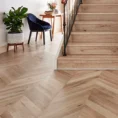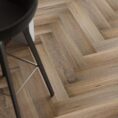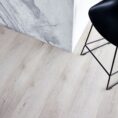


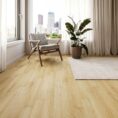





Hybrid Flooring thickness is a defining factor in how the floor performs, feels, and integrates within modern Melbourne homes. Thickness influences structural stability, walking comfort, acoustic behaviour, and installation precision. As a layered flooring system, hybrid flooring relies on its overall thickness to deliver consistent performance across everyday residential environments.
Hybrid flooring must feel solid underfoot while aligning cleanly with existing floor levels, skirting profiles, and architectural details.
Hybrid flooring is produced in a range of thickness profiles designed specifically for residential use. The total thickness is formed by multiple layers working together to provide rigidity, surface protection, and dimensional stability.
Most hybrid flooring products are manufactured within a thickness range that supports long-term stability without unnecessarily increasing floor height. This allows the flooring to perform reliably across standard residential subfloors.
In Australian homes, hybrid flooring thickness is commonly selected to suit standard door clearances and interior detailing. This ensures seamless integration without the need for structural modification.
Choosing how thick hybrid flooring should be depends on the functional demands of each space. Living patterns, foot traffic, and furniture placement all influence the most suitable thickness selection.
Bedrooms, studies, and low-traffic areas benefit from hybrid flooring thickness that delivers stability and comfort without visual heaviness.
Open-plan living zones, hallways, and kitchens require hybrid flooring thickness that supports frequent movement while maintaining surface alignment over time.

Thickness contributes to durability primarily through the rigid core layer. A balanced thickness profile helps the floor resist movement and structural stress associated with daily use.
A well-engineered rigid core supports dimensional stability, helping the flooring remain flat and visually consistent across changing indoor conditions.
Overall thickness assists in absorbing everyday impacts from foot traffic and furniture, supporting long-term surface performance.

Hybrid flooring thickness plays an important role in underfoot comfort. A carefully engineered thickness profile provides a firm yet comfortable walking surface.
Appropriate thickness allows for subtle resilience, helping reduce fatigue in areas where people stand or move frequently.
The goal is to achieve a supportive feel without excessive hardness. Thickness helps balance firmness with comfort.
Acoustic performance is particularly important in apartments and multi-level Melbourne homes. Hybrid flooring thickness contributes to sound control by reducing vibration transfer through the floor structure.
Increased thickness can assist with limiting impact noise and surface vibration, creating quieter indoor environments.
Selecting appropriate thickness helps balance acoustic comfort with installation practicality in shared residential buildings.

Hybrid flooring thickness directly affects installation outcomes, particularly around door frames, trims, and transitions.
Correct thickness selection ensures doors function smoothly without unnecessary alteration.
Proper thickness allows clean transitions between hybrid flooring and adjoining surfaces, maintaining a cohesive interior aesthetic.
Greater thickness does not automatically result in better performance. Suitability depends on how well thickness aligns with room function and installation conditions.
Additional thickness may be beneficial in high-use spaces or where improved acoustic comfort is required.
In low-traffic or private areas, standard thickness often provides optimal performance without excess build-up.
Selecting the right hybrid flooring thickness involves balancing performance expectations with design clarity and installation precision.
The ideal thickness supports durability and comfort while integrating seamlessly into contemporary interior designs.
Each room places different demands on flooring. Thickness should be chosen to reflect those functional differences.
Hybrid flooring used in Melbourne homes is designed to balance stability, comfort, and compatibility with standard residential floor levels.
Hybrid flooring thickness for open-plan spaces should support higher foot traffic while maintaining a consistent surface across connected rooms.
Thickness contributes to stability and underfoot comfort, supporting long-term performance when properly installed.
If you are planning hybrid flooring for your Melbourne home, Arta Floor can assist with selecting the most suitable thickness to match your interior design, room use, and long-term performance goals.