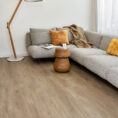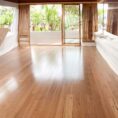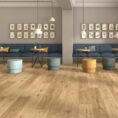







Choosing the right flooring for a home in Melbourne often comes down to Laminate vs. Engineered Flooring. Both options are popular across Australian homes, offering durability, style, and modern finishes. However, each performs differently in terms of cost, appearance, moisture resistance, and long-term value. This guide provides a detailed comparison to help you make the right decision, while also explaining where laminate flooring and hybrid flooring fit into the picture.
Laminate flooring is a multi-layered manufactured product designed to replicate the look of real timber. It consists of a high-density fibreboard (HDF) core, a photographic image layer, and a protective wear layer on top.
Laminate flooring is especially popular in living rooms, bedrooms, and apartments where budget and ease of installation are key considerations.
Engineered flooring (also known as engineered timber flooring) features a real hardwood veneer bonded to multiple layers of plywood or timber backing. This construction provides the appearance of genuine timber while improving stability.
Engineered flooring is often chosen by Melbourne homeowners seeking a premium, authentic timber look with improved performance over solid hardwood.
Laminate flooring is synthetic with a photographic timber image, while engineered flooring uses real timber as its surface layer. This fundamental difference impacts both aesthetics and long-term durability.
Engineered flooring offers the warmth, grain variation, and texture of real wood. Laminate flooring delivers a convincing timber look but lacks the natural depth and feel underfoot.
Laminate flooring is highly resistant to surface scratches but cannot be refinished. Once worn, it must be replaced. Engineered flooring, on the other hand, can last decades when maintained and refinished correctly.
Neither laminate nor engineered flooring is fully waterproof. Laminate offers moderate water resistance, while engineered timber handles humidity changes better but still requires careful spill management.
When comparing Laminate vs. Engineered Flooring, cost is often a deciding factor.
For Melbourne homeowners renovating on a budget, laminate flooring provides strong value. For long-term ownership and resale appeal, engineered flooring may offer a better return.

Laminate flooring typically uses a floating click-lock system, making it faster to install and suitable for DIY projects. A level subfloor and moisture barrier are essential.
Engineered flooring can be installed as a floating, glued, or nailed-down floor. Professional installation is often recommended for best results, especially in larger spaces or complex layouts.
Hybrid flooring combines the rigid core strength of laminate with the waterproof performance of vinyl. It is 100% waterproof, making it ideal for kitchens, laundries, and high-moisture areas.
While hybrid flooring does not use real timber, it is a strong alternative when moisture resistance is a priority.
Laminate flooring suits high-traffic family areas, while engineered flooring adds warmth and elegance to living and sleeping spaces.
Hybrid flooring is the preferred option for wet areas. Laminate and engineered flooring require careful moisture control and are better suited to dry zones.
| Flooring Type | Pros | Cons |
|---|---|---|
| Laminate Flooring | Affordable, scratch-resistant, easy installation | Not refinishable, limited moisture resistance |
| Engineered Flooring | Real timber look, refinishable, long lifespan | Higher cost, sensitive to moisture |
| Hybrid Flooring | Waterproof, durable, low maintenance | No real timber surface |
Choose laminate flooring if you want affordability, durability, and a quick installation. Choose engineered flooring if you value authentic timber aesthetics and long-term investment. Choose hybrid flooring if waterproof performance is essential.
The choice between Laminate vs. Engineered Flooring depends on budget, room use, and lifestyle. Laminate flooring offers excellent value, engineered flooring delivers timeless beauty, and hybrid flooring provides unmatched moisture resistance. For the best outcome, Melbourne homeowners should consider professional advice and view samples before making a final decision.
The main difference between laminate vs. engineered flooring is the surface material. Laminate flooring uses a high-resolution image layer to replicate timber, while engineered flooring features a real hardwood veneer on top of a multi-layer timber base. This makes engineered flooring more natural in appearance and feel.
Yes, laminate flooring is suitable for many Melbourne homes, particularly in living rooms, bedrooms, and apartments. It performs well in moderate climates but should be protected from excessive moisture. Proper underlay and moisture barriers are recommended.
Engineered flooring generally lasts longer than laminate flooring. Laminate typically has a lifespan of 10–20 years, while engineered flooring can last 20 years or more, especially because it can be sanded and refinished depending on the thickness of the timber veneer.
No, engineered flooring is not waterproof. While it is more stable than solid timber, it still contains real wood and can be damaged by standing water. For wet areas such as kitchens and laundries, hybrid flooring is usually a better option.
Hybrid flooring combines the durability of laminate with the waterproof properties of vinyl. Unlike laminate and engineered flooring, hybrid flooring is fully waterproof, making it ideal for high-moisture areas. However, it does not feature a real timber surface.
Laminate flooring offers the best upfront value due to its lower cost and easy installation. Engineered flooring offers better long-term value because of its durability, refinishing capability, and higher resale appeal. The best choice depends on budget, lifestyle, and long-term plans.