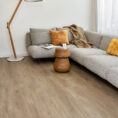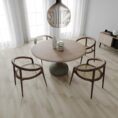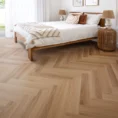








Carpet Tiles have become a popular flooring option in many Melbourne homes thanks to their practicality, ease of installation, and design flexibility. Unlike broadloom carpet, carpet tiles allow homeowners to replace individual sections, create custom layouts, and complete installation without specialised equipment. This guide explains how to install carpet tiles step-by-step and provides all the details you need for a smooth, professional-looking finish.
Carpet tiles come in modular squares that fit together to create a cohesive surface. They are durable, easy to clean, and suitable for various rooms including bedrooms, studies, and living zones. Their modular nature also makes them ideal for DIY projects.

Before beginning the installation process, gather the following items:
Having the right tools makes installation faster and more precise.
A smooth and stable subfloor is essential for proper installation.
Remove dust, dirt, and debris using a vacuum. Any leftover particles can prevent tiles from sitting flat.
Ensure concrete or timber surfaces are dry. Moisture can reduce adhesion or damage tiles over time.
Fill cracks or depressions in concrete with levelling compound. Tighten any loose boards on timber floors.
Many homeowners want to know how to install carpet tiles on concrete, as concrete is a common subfloor in Melbourne properties.
Concrete provides a strong base when prepped correctly.

Many modern carpet tiles use non-slip backings, making adhesive optional.
This method allows easy tile replacement and reconfiguration.
Yes—carpet tiles can be installed directly over concrete if the surface is clean, dry, and level.
While possible, it is not recommended. Existing carpet creates an unstable, soft surface which causes shifting and uneven wear. Removing the old carpet ensures better results.
Carpet tiles require a firm base. Underlay creates too much softness and movement, making it unsuitable for installation.

Accurate fitting is essential for a polished, seamless look.
Some installations benefit from added stability using adhesive.
This method is ideal for high-traffic rooms.
Yes—carpet tiles are widely considered one of the simplest flooring options for DIY installation. Their modular design makes them easy to work with, even in irregular-shaped rooms.
Carpet tiles allow for a range of visually appealing patterns.
Choosing a pattern can enhance the overall look and feel of your space.
Cutting tiles neatly ensures a professional finish.
Check tile alignment and ensure no gaps remain.
If any tile appears damaged or miscut, replace it immediately.
Vacuum to remove installation fibres and debris.
Carpet tiles are easy to maintain with basic cleaning habits.
| Subfloor Type | Suitable? | Notes |
| Concrete | Yes | Must be clean, dry, level |
| Timber | Yes | Secure loose boards |
| Existing Carpet | Not recommended | Causes instability |
| Underlay | No | Too soft for proper support |
If you would rather have it done for you, see our carpet tile installation service in Melbourne.
Yes, carpet tiles are known for being DIY-friendly and easy to handle.
Ensure the concrete is clean and dry, then follow a centre-outward installation method.
Yes—many tiles have non-slip backings, with perimeter tape used only when necessary.
Absolutely. Their durability and versatility make them ideal for many room styles.
Vacuum regularly and replace any worn or stained tiles.
If you’re considering a flooring upgrade, carpet tiles offer a stylish and practical solution that’s easy to install and maintain. They’re a great choice for modern homes across Melbourne, offering design flexibility and long-lasting comfort.