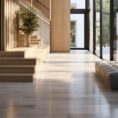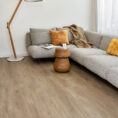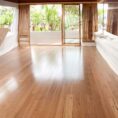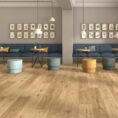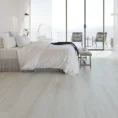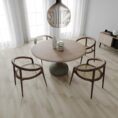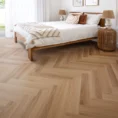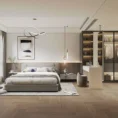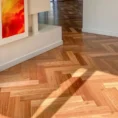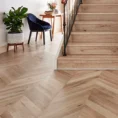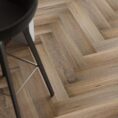




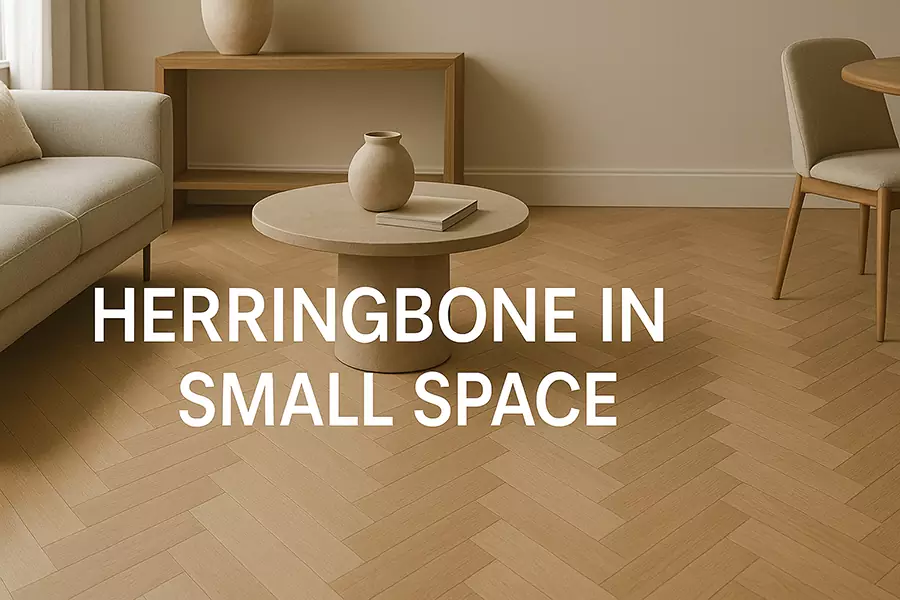
In compact interiors, every design decision influences how a space feels and functions. Flooring plays a particularly important role, as it forms the largest uninterrupted surface in most rooms. This is why the question is herringbone flooring good for small spaces often arises when homeowners focus on aesthetics as much as practicality.
From a design-led perspective, Herringbone Flooring can enhance small spaces by introducing structure and rhythm rather than relying on colour or decorative elements. When chosen thoughtfully, the pattern supports balance, visual flow, and long-term appeal.
In smaller rooms, the angled layout creates subtle movement across the floor, reducing the emphasis on short walls and tight corners.
Instead of visually compressing the space, the pattern encourages the eye to travel, which can make a room feel more open and composed. This effect is strongest when the pattern is allowed to breathe through careful material and finish selection.

Visual rhythm is essential in small spaces. Repetition, alignment, and proportion work together to create a sense of order.
Herringbone flooring introduces rhythm through geometry rather than contrast. This makes it suitable for compact interiors where too much variation would feel overwhelming. The consistent zigzag pattern adds interest while maintaining calmness.

Narrow planks and restrained finishes help the pattern read as refined rather than busy.
In design-focused interiors, lighter tones often perform best, as they reflect light and allow the pattern to support spatial openness rather than compete with it.
Colour choice directly affects how flooring performs in small spaces. Light to mid-tone finishes tend to enhance brightness, while matte surfaces reduce glare and visual noise.
From an aesthetic standpoint, uniform colour tones allow the herringbone pattern to read as a cohesive surface. This approach supports timeless interiors that adapt easily to changing décor.
In compact interiors, negative space is just as important as occupied space. Large rugs or heavy furniture can obscure the flooring pattern, limiting its visual contribution.
Design-led planning often leaves portions of the floor exposed, allowing the herringbone layout to define the room subtly. This balance between coverage and visibility is key to maintaining elegance in smaller rooms.

Herringbone flooring relies on precision. In small spaces, alignment errors are immediately noticeable and can disrupt the intended sense of calm.
A clean, symmetrical layout ensures that the pattern feels intentional and refined. This level of accuracy supports the design rather than drawing attention to the floor itself.
| Design Element | Effect in Small Spaces |
| Visual rhythm | Adds movement without clutter |
| Plank proportion | Narrow boards feel refined |
| Light reflection | Enhances openness |
| Pattern clarity | Requires precise execution |
| Styling flexibility | Complements minimalist décor |
These considerations help align design intent with practical execution.
Yes. When paired with restrained colours and clean lines, it supports minimalist design.
Only when plank size or contrast is excessive.
Yes. Its geometric structure works well with modern aesthetics.
Herringbone flooring offers a refined way to introduce structure and movement into small interiors. When selected with proportion, tone, and precision in mind, it enhances spatial quality without visual overload.
For design-focused homeowners, herringbone remains a versatile option that balances character and restraint in compact living environments.