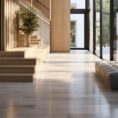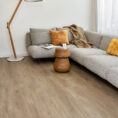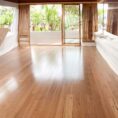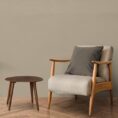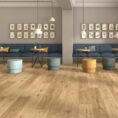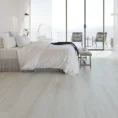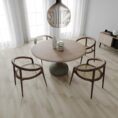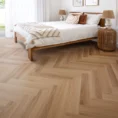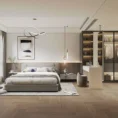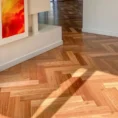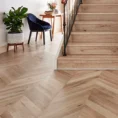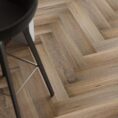





Choosing the right flooring colour is one of the most impactful design decisions you will make for your home. Your floor covers more visible surface area than any wall, piece of furniture, or fixture — it sets the tone for every room and influences how large, bright, warm, or inviting a space feels.
Get it right, and your flooring anchors the entire interior design for years. Get it wrong, and you are stuck with a colour that clashes with everything or makes your rooms feel smaller and darker than they should.
This 2026 guide walks you through the key principles of flooring colour selection, compares light versus dark versus mid-tone options, explains how to coordinate with walls and cabinetry, and provides room-by-room recommendations for Australian homes.
| Colour Range | Room Effect | Hides Dirt? | Hides Scratches? | Best For | Avoid In |
|---|---|---|---|---|---|
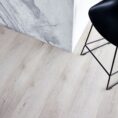
| Light (blonde oak, ash, whitewash) | Makes rooms feel larger and brighter | Good (dust less visible) | Good | Small rooms, dark rooms, coastal/Scandi style | Very high-traffic with dark-coloured pets |
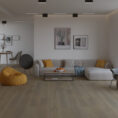
| Mid-tone (natural oak, spotted gum, walnut) | Balanced — neither enlarges nor shrinks rooms | Excellent (most forgiving) | Very Good | Any room, any style — the safest choice | Nothing — universally works |
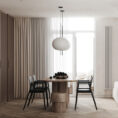
| Dark (espresso, charcoal, ebony) | Makes rooms feel smaller but dramatic and cosy | Poor (shows dust and pet hair) | Poor (scratches show as light marks) | Large rooms with good light, statement spaces | Small rooms, dark rooms, high-traffic areas |

This is the single most important factor. Light flooring reflects natural light and makes rooms feel more spacious. Dark flooring absorbs light and makes rooms feel smaller and more intimate.
Rules of thumb:
Your flooring must work with elements you are not replacing — kitchen cabinets, bathroom vanities, door frames, and skirting boards. Before choosing a floor colour, photograph your existing fixtures and bring the photos to the showroom.
Coordination guidelines:
The floor-to-wall relationship defines the room’s overall palette. In 2026, the dominant approach is contrast rather than matching:
Avoid: Matching your floor colour too closely to your wall colour. This creates a washed-out, monotone look with no visual depth. Always create at least 2–3 shades of contrast between floor and walls.
| Style | Best Floor Colours | Recommended Finish |
|---|---|---|
| Scandinavian / Minimalist | Blonde oak, light ash, whitewash | Matte, natural |
| Coastal / Hamptons | Sandy beige, pale grey-wash, driftwood | Matte, brushed |
| Modern Contemporary | Natural oak, warm walnut, greige | Matte, wide plank |
| Industrial | Dark charcoal, grey concrete look, reclaimed timber | Matte, distressed |
| Traditional / Classic | Warm walnut, spotted gum, rich honey | Satin, herringbone pattern |
| Farmhouse / Country | Rustic oak, honey, distressed whitewash | Wire-brushed, wide plank |
| Luxe / Art Deco | Dark walnut, espresso, ebony | Satin or matte, herringbone |
For the latest style trends, see our 2026 flooring trends guide.
Your flooring colour needs to survive your daily life, not just look good in a showroom. Consider:
| Colour | Tone | Popularity | Best Suited To |
|---|---|---|---|
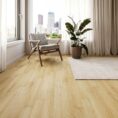
| Natural Oak | Warm mid-tone | #1 in 2026 | Any room, any style — the safest choice |
| Spotted Gum | Warm mid-tone with variation | Very popular (uniquely Australian) | Living rooms, hallways, open-plan |
| Warm Walnut | Medium-dark warm | Rising | Bedrooms, home offices, luxury spaces |
| Blonde Oak / Light Ash | Light warm | Steady (Scandi demand) | Small rooms, apartments, coastal homes |
| Sandy Beige / Coastal | Light neutral | Rising | Coastal and Hamptons-style homes |
| Greige (Grey + Beige) | Cool-warm neutral | Steady (replacing pure grey) | Contemporary, minimalist interiors |
| Charcoal / Espresso | Dark | Niche (statement use) | Large well-lit rooms, master bedrooms |
For more colour options and samples, visit our flooring colours page or browse our full hybrid flooring collection.
| Room | Recommended Colour | Why |
|---|---|---|
| Living Room | Natural oak or spotted gum (mid-tone) | Warm, versatile, suits any furniture |
| Kitchen | Mid-tone timber or light stone look | Hides crumbs and spills, complements most cabinetry |
| Master Bedroom | Warm walnut or natural oak | Creates a cosy, relaxing atmosphere |
| Kids’ Bedroom | Mid-tone (natural oak) | Most forgiving for spills, scuffs, and toy marks |
| Bathroom | Light timber or grey stone look | Bright and clean, makes small bathrooms feel larger |
| Hallway | Match living room colour for continuity | Seamless flow through the home |
| Home Office | Warm walnut or natural oak | Professional, warm, non-distracting |
At Arta Floor, we recommend natural oak in a matte finish as the safest, most versatile flooring colour for Australian homes in 2026. It works in every room, complements any interior style, hides everyday wear, and will look just as good in 10 years as it does today.
For homeowners who want more character, spotted gum offers a uniquely Australian look with beautiful tonal variation. For those seeking sophistication, warm walnut adds depth without the maintenance challenges of very dark flooring.
Visit our hybrid flooring and engineered timber collections to see the full colour range, or request free samples to test colours in your own home.
Natural oak is the most popular flooring colour in Australia in 2026. Its warm mid-tone suits any interior style, works in every room, and has the broadest appeal for both homeowners and buyers. Spotted gum is the second most popular, offering a uniquely Australian aesthetic.
There is no strict rule, but the most popular and versatile approach in 2026 is mid-tone flooring with lighter walls. This creates a balanced, open feel. Dark floor with light walls creates high contrast and drama. Light floor with dark walls is a contemporary statement. Avoid matching floor and wall tones too closely — always maintain at least 2–3 shades of contrast.
Yes. Dark flooring absorbs light and visually contracts a space, making rooms appear smaller and more enclosed. This effect is desirable in large rooms where you want a cosy, intimate atmosphere, but problematic in small rooms, apartments, or spaces with limited natural light. If you love dark floors but have a small room, keep walls white and ensure excellent lighting.
Mid-tone flooring with a matte or brushed finish hides scratches, dust, and daily wear best. Scratches on dark floors show as light marks; scratches on light floors show as dark marks. Mid-tones minimise the contrast between the scratch and the surrounding surface. Matte finishes outperform gloss for scratch concealment.
Yes, but do it deliberately. The most effective approach is one consistent colour throughout open-plan living areas (living, kitchen, hallway) with a different colour or pattern in enclosed rooms (bedrooms, study). Ensure the colours share the same undertone (warm or cool) so they do not clash at transition points.
For open-plan homes, choose a single mid-tone neutral colour that works with both kitchen cabinetry and living room furniture. Natural oak is the safest choice. Use the same product throughout the entire open-plan area for seamless visual flow — no transition strips. See our living room flooring guide for open-plan strategies.