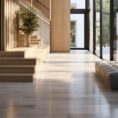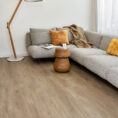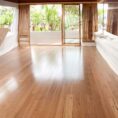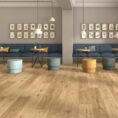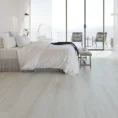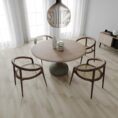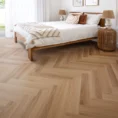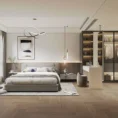
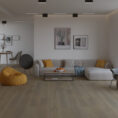
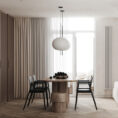
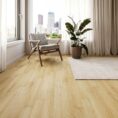




Your living room is the centrepiece of your home — the space where family gathers, guests are entertained, and first impressions are formed. The best flooring for living room spaces needs to balance three demands: it must look stunning, withstand daily traffic from furniture and foot traffic, and feel comfortable for the hours you spend relaxing in this room.
In 2026, Australian homeowners are choosing hybrid flooring and engineered timber for their living rooms more than ever. Both deliver the warm timber aesthetics that define modern Australian interior design, with practical performance that tiles and carpet cannot match.
This guide compares every flooring option for living rooms, covers the latest layout patterns including herringbone and wide plank, and provides design tips for open-plan living spaces that flow seamlessly into kitchens and dining areas.
| Flooring Type | Style Impact | Durability | Comfort | Cost (Installed/m²) | Verdict |
|---|---|---|---|---|---|
| Engineered Timber | Exceptional | Very Good | Warm | $90 – $160 | Best premium choice |
| WPC Hybrid | Very Good | Good | Excellent | $75 – $120 | Best comfort + style |
| SPC Hybrid | Very Good | Excellent | Good | $55 – $95 | Best all-round value |
| Laminate | Good | Good | Moderate | $45 – $85 | Best budget option |
| Porcelain Tiles | Good | Excellent | Cold, hard | $80 – $150 | Best for warm climates |
| Solid Hardwood | Exceptional | Good (needs maintenance) | Warm | $120 – $200+ | Traditional luxury |
| Carpet | Moderate | Poor | Excellent | $40 – $80 | Short lifespan, hygiene concerns |
Engineered timber flooring is the gold standard for Australian living rooms. Real wood delivers warmth, character, and a timeless aesthetic that no synthetic product can fully replicate. Every plank has natural grain variation, colour depth, and tactile quality that makes a living room feel genuinely premium.
Why engineered timber excels in living rooms:
Considerations: Engineered timber requires humidity management (40–60% RH), is not waterproof, and costs more than hybrid. It suits living rooms in well-maintained owner-occupied homes. For a full comparison, see our engineered timber vs hybrid guide.
WPC (Wood Polymer Composite) hybrid flooring combines a realistic timber look with exceptional comfort underfoot. For families who spend hours in the living room — playing with kids on the floor, entertaining guests, or relaxing on the couch — WPC’s cushioned core makes a tangible difference.
WPC living room advantages:
WPC is the ideal choice for family living rooms where durability, comfort, and water resistance all matter. See our SPC vs WPC comparison for technical details.
SPC (Stone Polymer Composite) hybrid flooring delivers the best balance of durability, appearance, and price for living rooms. Its rigid limestone core is harder and more scratch-resistant than WPC, making it the better choice for living rooms with heavy furniture, pets, or high foot traffic.
SPC living room advantages:
For living rooms that connect to kitchens and hallways, SPC allows you to run one continuous floor throughout the entire ground level — creating visual flow while handling different demands in each zone.
Laminate flooring offers an attractive timber look at the lowest price point. For living rooms where budget is the primary concern, modern AC4/AC5 laminate delivers convincing visuals and adequate durability for residential traffic.
Limitations for living rooms: Not waterproof (wine and drink spills need immediate cleanup), can sound hollow without quality underlay, and cannot be refinished when worn. For a deeper analysis, see our hybrid vs laminate vs vinyl comparison.
The pattern you choose has as much visual impact as the flooring type itself. In 2026, three layouts dominate Australian living room design:
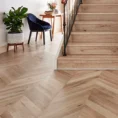
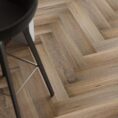
Herringbone is the standout living room pattern of 2026. Planks are laid at alternating 45° angles to create a zigzag pattern that adds movement, depth, and a sense of luxury to any living space. Available in both engineered timber herringbone and hybrid herringbone.
Best for: Medium to large living rooms where the pattern has space to breathe. In small rooms, herringbone can feel busy — standard plank is often the better choice. For a detailed comparison of herringbone patterns, read our herringbone vs chevron guide.
Wide plank flooring uses fewer, larger planks to create a clean, contemporary look with minimal seam lines. This makes living rooms feel more spacious and allows the natural beauty of each plank to stand out. Wide plank is particularly effective in open-plan living areas.
Best for: Modern, minimalist, and Scandinavian-inspired living rooms. Wide planks suit both hybrid and engineered timber.
The classic staggered layout remains the most popular and cost-effective option. Planks are laid in parallel rows with staggered joints, creating a natural, timeless look that suits any style — from coastal to industrial to traditional.
Best for: Any living room size or style. The safest, most versatile choice.
Most modern Australian homes feature open-plan living that combines the living room, kitchen, and dining area. This creates a flooring challenge — the kitchen needs waterproof durability while the living area needs comfort and style.
Use the same SPC hybrid flooring across the entire open-plan space. SPC handles kitchen water exposure while looking great in the living area. This creates seamless visual flow, simplifies installation, and avoids awkward transition strips between zones.
Use SPC in the kitchen zone for maximum water and impact resistance, transitioning to WPC in the living area for enhanced comfort. Choose products from the same brand range so colours and plank dimensions match at the transition point.
The traditional approach uses tiles in the kitchen and engineered timber in the living room. This works but requires a transition strip and creates a visual break in the floor. Increasingly, homeowners prefer the seamless hybrid approach instead.
Living rooms typically have the largest windows in the home, which means significant UV and heat exposure on the floor. This matters for your flooring choice:
For rooms with floor-to-ceiling windows or north-facing orientation, SPC hybrid is the safest choice due to its superior dimensional stability under temperature changes.
A typical Australian living room is 20–35m². Here are the expected costs:
| Flooring Type | Cost per m² (installed) | Standard Living (20m²) | Large Open-Plan (35m²) |
|---|---|---|---|
| Engineered Timber | $90 – $160 | $1,800 – $3,200 | $3,150 – $5,600 |
| WPC Hybrid | $75 – $120 | $1,500 – $2,400 | $2,625 – $4,200 |
| SPC Hybrid | $55 – $95 | $1,100 – $1,900 | $1,925 – $3,325 |
| Laminate | $45 – $85 | $900 – $1,700 | $1,575 – $2,975 |
| Herringbone (Hybrid) | $85 – $130 | $1,700 – $2,600 | $2,975 – $4,550 |
| Herringbone (Engineered) | $120 – $200 | $2,400 – $4,000 | $4,200 – $7,000 |
For detailed flooring pricing, see our hybrid flooring cost guide and engineered herringbone cost breakdown.
Over 60% of Australian households have pets, and the living room is typically where pets spend the most time. If you have dogs or cats:
For comprehensive pet flooring advice, read our best flooring for dog owners guide.
At Arta Floor, we recommend SPC hybrid flooring as the best all-round living room choice for most Australian homes — it delivers the ideal balance of style, durability, waterproof performance, and value. For open-plan living that flows into kitchens, SPC handles everything seamlessly.
For homeowners who want the ultimate in living room aesthetics, engineered timber — especially in herringbone pattern — transforms a living room into a statement space that adds genuine value to your home.
Browse our full hybrid flooring collection or request a free measure and quote for your living room project.
Hybrid flooring (SPC and WPC) is the most popular living room flooring in Australia in 2026. It has overtaken both carpet and tiles as the preferred choice for Australian homeowners, offering timber-look aesthetics, waterproof performance, and easy maintenance at a competitive price point. Engineered timber remains the premium choice for upscale homes.
Yes — herringbone is one of the most striking flooring patterns for living rooms. It adds visual depth, movement, and a sense of luxury that standard plank layouts cannot match. Herringbone works best in medium to large living rooms where the pattern has space to be appreciated. Both hybrid herringbone and engineered herringbone are excellent choices.
Yes — using the same flooring throughout open-plan living creates seamless visual flow and eliminates awkward transition strips. SPC hybrid flooring is ideal for this because it handles both kitchen water exposure and living room traffic equally well. This also simplifies installation and provides spare planks for future repairs.
For most Australian living rooms, yes. Hybrid flooring is warmer underfoot, more comfortable to stand on, quieter to walk on, and faster to install than tiles. It also avoids grout maintenance. Tiles suit living rooms in tropical or very warm climates where the cool surface is an advantage, but for most of Australia, hybrid is the superior choice.
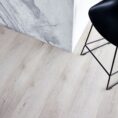
Light-toned flooring (blonde oak, light ash, whitewashed timber) reflects more light and makes living rooms appear larger and more open. Wide plank formats enhance this effect by reducing visual seam lines. Dark flooring can make rooms feel smaller but creates a dramatic, cosy atmosphere in large spaces with good natural light. For a complete colour guide, see our flooring colours article.
Yes. SPC and WPC hybrid flooring can be installed directly over existing tiles using the click-lock floating method — no need to remove the old tiles. The subfloor must be level within 3mm over 2 metres. If tiles have deep grout lines, a thin levelling compound may be needed. This saves significant demolition cost and mess. Read more in our guide on hybrid flooring over tiles.