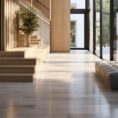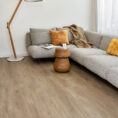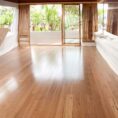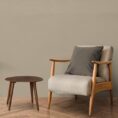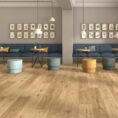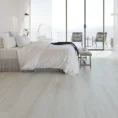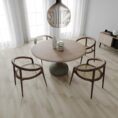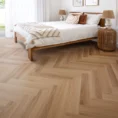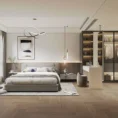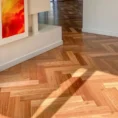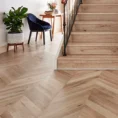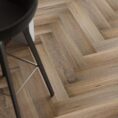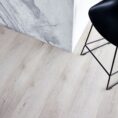
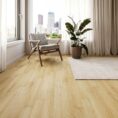




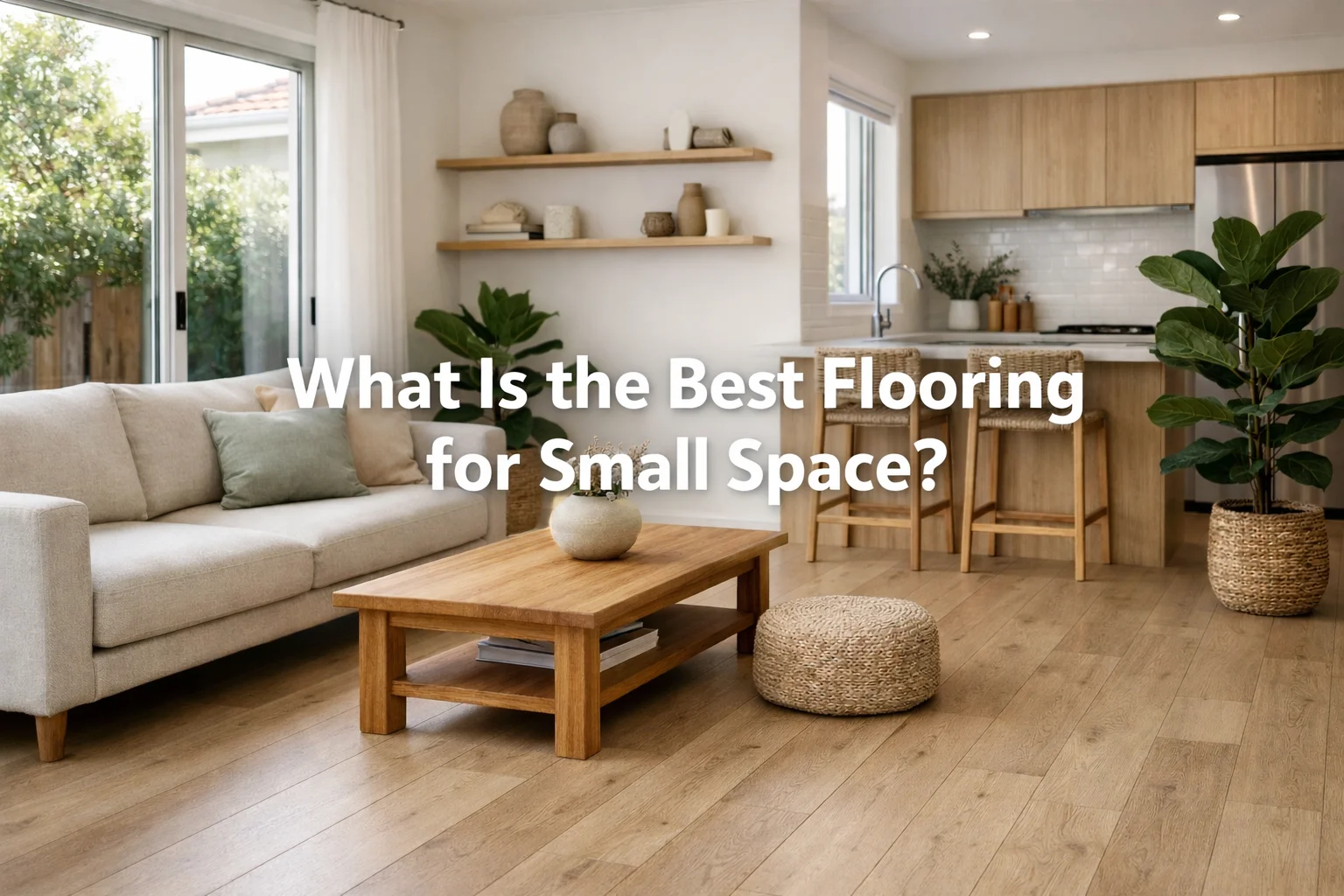
Choosing the best flooring for small space homes in Australia has become one of the most important interior decisions in 2026. As apartments, compact houses, and townhouses continue to dominate Australian cities, homeowners are actively searching for flooring solutions that make small interiors feel larger, brighter, and more comfortable.
Unlike large homes, small spaces magnify every design decision. Flooring, in particular, plays a critical role because it covers the largest visible surface in the home. The wrong flooring choice can visually shrink a room, interrupt flow, and highlight tight layouts. On the other hand, the best flooring for small house designs can dramatically improve space perception, light reflection, and everyday functionality.
This 2026 expert guide explains exactly what flooring works best for small homes in Australia, which materials outperform others, and how to maximise visual space using modern flooring technology and installation strategies.
In small homes, flooring is not just a background element. Instead, it becomes a dominant visual feature that directly influences how large or cramped a room feels. Because small spaces have limited wall area and shorter sight lines, the eye naturally focuses on the floor plane.
The best flooring for small space homes should reduce visual interruptions, enhance light flow, and create a sense of continuity throughout the interior.
In Australia, flooring must also respond to practical conditions such as:
Therefore, selecting flooring purely based on appearance is no longer enough. Performance, layout strategy, and material behaviour matter just as much.
Before comparing materials, it is essential to understand which flooring characteristics actually expand a space visually. The following design principles apply to all small homes in 2026.
Light-coloured flooring reflects both natural and artificial light, making rooms feel brighter and more open. Dark flooring absorbs light and creates strong contrast, which visually compresses space. The most effective colours for small spaces include:
Wide plank flooring has become a dominant trend in 2026 because it reduces the number of visible joins across the floor. Fewer seams create longer visual lines, which makes rooms feel wider and less cluttered. For small homes, planks between 180mm and 230mm wide deliver the best balance between scale and realism.
High-gloss flooring reflects light unevenly and highlights scratches, dust, and imperfections. In small spaces, this creates visual noise. Matte and low-sheen finishes produce a calmer, more continuous surface that feels larger and more refined.
Based on performance, aesthetics, and real-world Australian conditions, the following flooring types deliver the strongest results for compact homes.
Hybrid flooring is widely regarded as the best flooring for small space homes in Australia in 2026. It combines the visual appeal of timber with modern waterproof and structural technology.
Key benefits include:
Hybrid flooring works exceptionally well in open-plan apartments and small houses where visual flow between rooms is essential.
Luxury vinyl plank remains one of the most popular choices for homeowners seeking comfort and affordability. In small spaces, LVP provides warmth underfoot and excellent acoustic performance.
Advantages include:
However, LVP is slightly less rigid than hybrid flooring, which may affect long-term stability in high-traffic areas.
Engineered timber flooring offers natural warmth and authentic timber grain, making it a premium choice for small homes that prioritise design.
When used correctly, engineered timber can:
It is best suited for dry living areas and bedrooms, as moisture exposure should be carefully controlled.
Modern laminate flooring has improved significantly by 2026. While not fully waterproof, it can still perform well in small homes when installed in low-moisture areas.
Laminate works best for:
Always choose water-resistant laminate with matte finishes and wide planks for best results.
Tiles can make small spaces feel larger, but only when large-format tiles are used. Small tiles create excessive grout lines that visually fragment the floor.
For small homes, choose:
Certain flooring styles work against compact layouts and should generally be avoided:
These options visually shrink rooms and increase visual clutter.
Hybrid flooring or engineered timber with wide planks and light tones deliver the best results.
Waterproof hybrid flooring or luxury vinyl plank ensures durability without breaking visual flow.
Hybrid or LVP provides warmth, comfort, and quiet underfoot.
Use the same flooring as adjoining rooms to avoid visual breaks.
| Flooring Type | Installed Cost (AUD/m²) |
|---|---|
| Hybrid Flooring | $55 – $95 |
| Luxury Vinyl Plank | $45 – $85 |
| Engineered Timber | $110 – $180 |
| Laminate Flooring | $35 – $70 |
| Large-Format Tiles | $80 – $150 |
In 2026, the best flooring for small space homes is flooring that combines light colour palettes, wide plank formats, minimal seams, and proven long-term performance. These elements work together to maximise visual openness, improve light reflection, and create a seamless sense of flow throughout compact interiors.
For most homeowners, hybrid flooring delivers the strongest overall solution. It offers an ideal balance of waterproof durability, structural stability, and modern timber aesthetics, making it especially well-suited to apartments and small houses. Luxury vinyl plank remains an excellent alternative for those prioritising comfort, acoustic performance, and affordability, while engineered timber flooring continues to represent the premium choice for design-led homes seeking natural warmth and long-term value.
To ensure the best outcome, professional advice and quality product selection are essential. Homeowners can explore premium flooring ranges from trusted manufacturers such as Preference Floors, or speak directly with experienced specialists through Artafloor to receive tailored guidance, accurate pricing, and expert installation support for small space projects.
Hybrid flooring is the top choice due to its waterproof protection, rigid structure, and seamless visual flow.
Yes. Light flooring reflects more light and reduces visual contrast, making rooms appear larger.
Engineered timber works well when light-toned and wide planks are used in dry areas.
Yes. Continuous flooring without transitions creates better flow and visual expansion.
Small tiles are not recommended, but large-format light tiles can work very well.