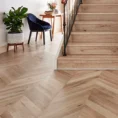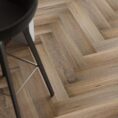







Herringbone timber flooring pros and cons are essential to understand before choosing this premium flooring style for your home. This comprehensive guide explores how herringbone timber flooring pros and cons influence design decisions, long-term performance, and overall property value. Since herringbone timber flooring is loved for its elegance and timeless geometry, knowing both the advantages and the disadvantages will help you make the most informed decision possible for your renovation.
Across Melbourne and Australia, this iconic layout is rapidly becoming a preferred choice for homeowners seeking a designer finish. However, a balanced review of herringbone timber flooring pros and cons is crucial before committing, as the pattern introduces unique installation requirements, cost considerations, and ongoing care expectations. This expanded guide explains everything you need to know—ensuring your final decision aligns with your lifestyle, budget, and interior goals.
The growing popularity of this pattern makes it even more important to clearly understand each aspect of the herringbone timber flooring pros and cons conversation. While the design enhances luxury and spatial flow, it demands accuracy, specialised skills, and thoughtful planning to achieve flawless execution. This guide will help you determine whether the benefits outweigh the drawbacks in your specific home.
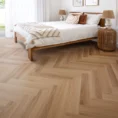
To properly assess herringbone timber flooring pros and cons, you must first understand what makes this pattern different from conventional straight-lay flooring. Herringbone flooring is created by laying rectangular planks in a zig-zag formation, producing a distinctive V-shaped motif. Each board connects at a right angle to produce geometric rhythm, depth, and visual movement.
This pattern dates back centuries and has been featured in European estates, luxury apartments, and high-end contemporary homes. Its character-rich appearance and ability to transform the feel of a room are central to many of the positive points in the herringbone timber flooring pros and cons comparison.
The geometric nature of herringbone produces eye-catching symmetry, but it also means installation must be extremely precise. Even slight misalignment affects the entire run of the pattern, which directly ties into the practical herringbone timber flooring pros and cons homeowners should consider. The beauty comes from craftsmanship; the complexity comes from execution.
A key part of evaluating herringbone timber flooring pros and cons involves choosing between engineered timber and solid timber. Engineered herringbone offers improved stability, making it suitable for Melbourne homes with concrete slabs. Solid herringbone offers traditional charm but requires more controlled environments. Each option contributes differently to cost, performance, and longevity.
The wide range of timber species and finishes—European Oak, Australian hardwoods, smoked finishes, limed washes, matte coats, and more—adds to the benefits side of the herringbone timber flooring pros and cons list. Customisation options allow homeowners to tailor the pattern to their interior style while maintaining design continuity throughout the home.
The advantages greatly shape why this pattern has become synonymous with prestige. Below, we explore the strongest positive factors within the full discussion of herringbone timber flooring pros and cons, helping you understand how these benefits apply in real-life settings.
One of the most celebrated advantages in the herringbone timber flooring pros and cons evaluation is timeless beauty. The pattern conveys luxury and sophistication immediately, making it a standout design feature in both large and small spaces. The V-shaped structure draws the eye across the floor, creating harmony and flow that elevates the overall interior ambience.
The spatial impact is another strong positive when comparing herringbone timber flooring pros and cons. Because the pattern directs visual movement diagonally, it can make compact rooms feel wider or longer. This is particularly useful in narrow Melbourne hallways or smaller living zones where enhancing perceived space is a priority.
When analysing herringbone timber flooring pros and cons, versatility stands out as a major reason for its popularity. The pattern supports a wide variety of interior styles—French Provincial, Scandinavian, Contemporary, Hamptons, Minimalist, and more. By adjusting plank size, colour, and finish, designers can create subtle elegance or dramatic visual impact.
The premium look of herringbone floors is widely recognised, making this one of the biggest advantages highlighted in discussions around herringbone timber flooring pros and cons. Buyers view the pattern as a high-end feature, often associating it with architectural detail, custom craftsmanship, and luxurious living. This perception can increase market appeal and resale value.
Durability is another strong point supporting the positive side of herringbone timber flooring pros and cons. Engineered herringbone offers excellent stability, while solid timber provides long-term refinishability. When properly maintained, both can deliver decades of performance—making the higher initial investment worthwhile.
Underfloor heating compatibility and adaptability to insulation solutions also enhance the benefits in the herringbone timber flooring pros and cons assessment. Many Melbourne homeowners now expect their flooring to accommodate modern comfort systems, and engineered herringbone performs well in these setups when installed correctly.
Herringbone can be used strategically to define spaces within an open-plan layout. This is another major benefit within the broader herringbone timber flooring pros and cons analysis. Designers often use the pattern to lead the eye toward entryways, living zones, or architectural focal points, creating a sense of flow and structure without building physical dividers.
No evaluation of herringbone timber flooring pros and cons is complete without a clear understanding of the challenges. Below are the disadvantages homeowners must consider before installation.
The most prominent negative factor within herringbone timber flooring pros and cons is installation difficulty. Maintaining perfect alignment is essential, as even small errors become noticeable. This level of precision requires highly skilled installers, increasing labour costs and installation time.
The labour-intensive nature of the pattern also drives higher expenses, which is a significant drawback in the herringbone timber flooring pros and cons comparison. Extra cuts, layout planning, and material wastage contribute to increased overall project cost.
Planning is crucial because herringbone highlights alignment and architectural symmetry. Poorly positioned start points or unbalanced layouts quickly become visible. This complexity is frequently noted on the negative side of herringbone timber flooring pros and cons.
The angled pattern can emphasise scratches and scuffs, especially in busy household zones. This makes wear visibility an important consideration in the overall herringbone timber flooring pros and cons review.
DIY installers often struggle with herringbone layouts due to accuracy requirements. This reliance on professionals increases cost and reduces flexibility—another drawback in the list of herringbone timber flooring pros and cons.
Because angled planks create more offcuts, herringbone installations produce more waste. This aspect appears consistently on the disadvantages side of herringbone timber flooring pros and cons.
Uneven subfloors, apartment acoustic rules, and moisture conditions may require additional preparation layers. These complexities strengthen the “cons” section of herringbone timber flooring pros and cons.
Understanding how herringbone timber flooring pros and cons apply across different rooms can help you plan more effectively.
These areas maximise the advantages of herringbone timber flooring pros and cons by showcasing the pattern’s beauty and enhancing spatial flow.
The pattern widens narrow spaces but may require extra maintenance. Both points are central in the herringbone timber flooring pros and cons conversation.
Traffic is lower here, meaning the disadvantages fade while the aesthetic benefits remain strong—further balancing out the herringbone timber flooring pros and cons evaluation.
Care and spill management are essential. Homeowners should weigh these maintenance requirements carefully when reviewing herringbone timber flooring pros and cons for kitchen areas.
Many of the negative factors in herringbone timber flooring pros and cons can be minimised with proper care.
The best way to evaluate herringbone timber flooring pros and cons is to weigh each factor against your goals. If impact, elegance, and long-term value matter most, the pros are compelling. If budget, speed, or DIY installation are your priorities, the cons may outweigh the benefits.
After reviewing all herringbone timber flooring pros and cons, it becomes clear why this pattern remains a favourite in Melbourne homes. The elegance, spatial impact, and design versatility make it a standout choice for many homeowners. Although higher installation costs and planning complexity present challenges, the final result often justifies the investment. The total balance of herringbone timber flooring pros and cons leans strongly toward the positive for those seeking long-term style and premium character.
To explore suitable product options, visit Arta Floor’s product range or discover engineered variations at engineered herringbone flooring. For installation insights related to herringbone timber flooring pros and cons, professional recommendations from Create Timber Floor can help guide your decision.
With expert installation and thoughtful planning, the advantages of herringbone timber flooring genuinely outweigh the disadvantages—making this design a timeless, high-impact investment for your home.