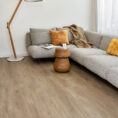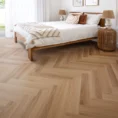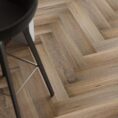








Choosing the best flooring for underfloor heating is one of the most important decisions you will make during a home renovation or new build in Australia. The wrong flooring can block heat transfer, warp under thermal stress, or void your warranty entirely. The right flooring works with your heating system to deliver even warmth, energy efficiency, and years of trouble-free performance.
In 2026, Australian homeowners have more underfloor heating-compatible flooring options than ever — but not all products perform equally. This guide compares every major flooring type for use with both hydronic (water-based) and electric underfloor heating systems, covering heat conductivity, maximum temperature ratings, expansion behaviour, and real-world pricing.
Whether you are installing radiant heat in a new bathroom, retrofitting hydronic heating throughout an entire home, or simply want warmer floors in winter — this guide gives you the facts to make the right choice.
| Flooring Type | Heat Compatibility | Max Surface Temp | Heat Transfer | Cost (Installed/m²) |
|---|---|---|---|---|
| SPC Hybrid Flooring | Excellent | 27°C | Very Good — thin, dense core | $55 – $95 |
| WPC Hybrid Flooring | Good | 27°C | Moderate — foamed core insulates slightly | $75 – $120 |
| Engineered Timber | Very Good | 27°C | Good — depends on thickness | $90 – $160 |
| Laminate Flooring | Good | 27°C | Moderate — HDF core acts as insulator | $45 – $85 |
| Porcelain/Ceramic Tiles | Excellent | 29°C+ | Excellent — best heat conductor | $80 – $150 |
| Solid Hardwood | Poor | Not recommended | Poor — thick, prone to warping | $120 – $200+ |
| Carpet | Poor | 27°C | Very Poor — insulates against heat | $40 – $80 |
Underfloor heating systems warm your home by radiating heat upward through the floor surface. There are two main types used in Australian homes:
Hot water circulates through pipes embedded in or beneath the floor slab. Hydronic systems are highly energy-efficient, ideal for whole-home heating, and particularly popular in new builds and major renovations across Melbourne, Sydney, and Canberra. They heat slowly but maintain even warmth across large areas.
Electric heating cables or thin mats are installed directly beneath the flooring. Electric systems heat faster, cost less to install, and are commonly used for individual rooms — especially bathrooms, ensuites, and kitchens. However, they have higher running costs than hydronic for whole-home use.
Why flooring matters: Your flooring sits directly on top of the heating element. If the flooring material is too thick, too insulating, or too sensitive to heat, it will either block the warmth from reaching the room, expand and buckle, or degrade over time. The ideal flooring for underfloor heating is thin, dimensionally stable, and thermally conductive.
SPC (Stone Polymer Composite) hybrid flooring is the top recommendation for underfloor heating in 2026. Its rigid limestone-based core is exceptionally dimensionally stable, meaning it barely expands or contracts as temperatures change throughout the day.
Why SPC excels with underfloor heating:
Most SPC products are rated for underfloor heating up to 27°C surface temperature. Always verify the specific product’s technical data sheet before installation. For a deeper comparison of SPC versus WPC cores, read our SPC vs WPC flooring guide.
Engineered timber flooring is the preferred choice for homeowners who want the authentic look and feel of real wood over underfloor heating. Unlike solid hardwood, engineered timber uses a multi-layer construction with cross-grain plywood backing that resists the expansion and contraction caused by heat cycling.
Key considerations for engineered timber over heating:
Engineered timber delivers a warmer aesthetic than hybrid flooring and can increase property value. However, it requires more careful humidity management. For thickness guidance, see our engineered timber thickness guide.
WPC (Wood Polymer Composite) hybrid flooring is compatible with underfloor heating but performs slightly differently to SPC. The foamed core provides excellent comfort and sound absorption but acts as a mild insulator, which means heat transfer is slightly less efficient than SPC.
WPC with underfloor heating considerations:
If your primary goal is a warm, comfortable floor in bedrooms or living areas, WPC is an excellent choice. For wet areas or zones requiring maximum heat efficiency, SPC is the better option.
Laminate flooring is compatible with underfloor heating when you select the right product. Modern laminate with an HDF (High-Density Fibreboard) core can handle radiant heat, but not all laminate products are rated for heated subfloors — always check the manufacturer’s specifications.
Laminate with underfloor heating tips:
Laminate is the most affordable option for underfloor heating but offers less thermal stability than SPC hybrid. For a full comparison, read our guide on engineered timber vs laminate flooring.
Solid hardwood is generally not recommended for underfloor heating. The single-piece timber construction is highly susceptible to thermal expansion and contraction, leading to cupping, crowning, gaps between planks, and potential cracking. Some narrow-plank solid hardwoods can work with very carefully controlled heating, but the risk is high and most manufacturers void the warranty.
Carpet acts as a thermal blanket, trapping heat below the surface and preventing it from reaching the room. While thin, low-tog carpets can technically work, they significantly reduce the efficiency of your heating system, increasing energy costs. If you must use carpet, choose a tog rating below 1.5 and use minimal underlay.
Standard vinyl sheet can soften, discolour, or release odours when exposed to continuous heat from underfloor systems. Unlike SPC and WPC hybrid planks, sheet vinyl lacks the rigid core structure needed for dimensional stability over heated subfloors.
| Requirement | Detail |
|---|---|
| Commission heating first | Run the underfloor heating system for at least 2 weeks before installing flooring to cure the screed and stabilise moisture |
| Temperature ramp-up | Increase temperature by max 2–3°C per day — never jump straight to full heat |
| Maximum surface temperature | 27°C for hybrid, engineered, and laminate; 29°C+ for tiles |
| Expansion gaps | Minimum 8–10mm around all perimeters and fixed objects |
| Underlay selection | Use thin (1.5–2mm), low-tog underlay rated for underfloor heating — never thick foam |
| Subfloor moisture | Moisture content must be below 75% RH (or per manufacturer specs) before installation |
| Acclimatisation | Leave flooring in the room for 48 hours with heating off before installation |
| Thermostat | Use a thermostat with floor sensor probe — controls surface temperature, not just room temperature |
For detailed installation guidance applicable to all hybrid flooring, see our hybrid flooring installation rules guide.
| Flooring Type | Flooring Cost (per m²) | Electric UFH (per m²) | Hydronic UFH (per m²) | Total Range (per m²) |
|---|---|---|---|---|
| SPC Hybrid | $55 – $95 | $80 – $120 | $150 – $250 | $135 – $345 |
| WPC Hybrid | $75 – $120 | $80 – $120 | $150 – $250 | $155 – $370 |
| Engineered Timber | $90 – $160 | $80 – $120 | $150 – $250 | $170 – $410 |
| Laminate | $45 – $85 | $80 – $120 | $150 – $250 | $125 – $335 |
| Porcelain Tiles | $80 – $150 | $80 – $120 | $150 – $250 | $160 – $400 |
Note: Hydronic systems cost more to install but are significantly cheaper to run long-term, especially for whole-home heating. Electric systems suit single rooms (bathrooms, ensuites) where installation is simpler. For flooring-specific pricing, see our hybrid flooring cost guide.
| Room | Best Flooring | Best Heating Type | Why |
|---|---|---|---|
| Bathroom / Ensuite | SPC Hybrid or Tiles | Electric mat | Waterproof, fast heat-up for morning use |
| Kitchen | SPC Hybrid | Electric or Hydronic | Dent-resistant, easy to clean, efficient heat |
| Living Room | Engineered Timber or WPC | Hydronic | Premium aesthetics, consistent all-day warmth |
| Bedroom | WPC Hybrid | Hydronic | Warm and cushioned underfoot, quiet |
| Hallway / Entry | SPC Hybrid | Electric cable | High-traffic durability, fast warm-up |
| Whole Home | SPC Hybrid + Engineered Timber | Hydronic | SPC in wet zones, engineered in living areas |
Underlay is critical when combining flooring with underfloor heating. The wrong underlay can insulate against the heat, reducing system efficiency by up to 50% and increasing your energy bills.
As a rule: the combined thermal resistance (R-value) of flooring + underlay should not exceed 0.15 m²K/W for efficient underfloor heating. Check your heating system manufacturer’s maximum R-value requirements.
At Arta Floor, we recommend SPC hybrid flooring as the best all-round option for underfloor heating in Australian homes. Its thin, dense core provides excellent heat transfer, its rigid construction resists thermal movement, and its 100% waterproof surface works in every room — including bathrooms and kitchens with hydronic systems.
For living rooms and bedrooms where aesthetics are paramount, engineered timber flooring over hydronic heating delivers the timeless beauty of real wood with the stability needed for heated subfloors.
Browse our full hybrid flooring collection or request a free measure and quote to discuss the best flooring for your underfloor heating project.
Yes. Both SPC and WPC hybrid flooring are compatible with underfloor heating systems (electric and hydronic). SPC is the preferred option due to its superior thermal conductivity and dimensional stability. Always check the specific product is rated for underfloor heating and do not exceed 27°C surface temperature.
SPC hybrid flooring and engineered timber are the two best options for hydronic systems. SPC offers the best heat transfer efficiency and waterproof protection. Engineered timber provides a premium real-wood look with adequate thermal performance. Porcelain tiles are also excellent but feel harder underfoot.
Not if you choose laminate specifically rated for underfloor heating and maintain the surface temperature below 27°C. Use a thin, low-tog underlay and ensure proper expansion gaps. Unrated laminate may swell, gap, or delaminate when exposed to continuous radiant heat.
Yes, engineered timber works with both electric and hydronic underfloor heating. Choose planks under 15mm thickness for efficient heat transfer and use a floor-sensor thermostat to keep surface temperature at or below 27°C. Maintain indoor humidity between 40–60% to prevent excessive drying.
Absolutely. Australia’s climate includes cold winters in Melbourne, Canberra, Sydney, Adelaide, and regional areas where underfloor heating provides efficient, invisible warmth. Hydronic systems are especially cost-effective for whole-home heating, running at a fraction of the cost of ducted gas or split-system heating. The comfort of warm floors on cold mornings is a lifestyle upgrade that also adds property value.
Thinner flooring transfers heat more efficiently. For hybrid flooring, 4.5–6mm SPC is ideal. For engineered timber, choose 12–14mm total thickness rather than 18–20mm. The combined thermal resistance of your flooring plus underlay should not exceed 0.15 m²K/W for optimal heating performance. See our hybrid flooring thickness guide for more detail.