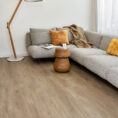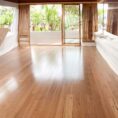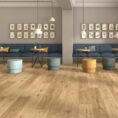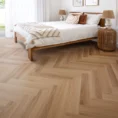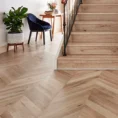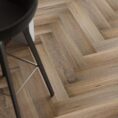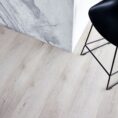


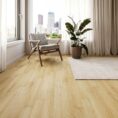





Hybrid flooring has rapidly become one of the most popular flooring choices in Australian homes. Its rise is not accidental. Many homeowners are actively searching for flooring solutions that are durable, waterproof, visually appealing, and suitable for Australia’s demanding climate conditions.
Despite its popularity, confusion still exists around one key question:
what is hybrid flooring and pros and cons for Australian homes? Understanding what is hybrid flooring and pros and cons is essential before making a long-term flooring decision.
This article provides a comprehensive, practical, and unbiased explanation to help homeowners, renovators, and property investors clearly understand what is hybrid flooring and pros and cons in real-world Australian conditions.
Rather than offering a surface-level overview, this guide explains how hybrid flooring is made, how it performs in everyday use, where it works best, and where its limitations lie.
Hybrid flooring is a modern hard flooring product that combines structural elements from both laminate and vinyl flooring. The term “hybrid” refers to the way it merges the rigid strength of laminate with the water resistance and resilience of vinyl.
For homeowners researching what is hybrid flooring and pros and cons, the key distinction lies in its waterproof rigid core and layered construction.
Unlike traditional laminate flooring, which relies on a timber-based core, hybrid flooring uses a waterproof rigid core. This core is usually made from Stone Plastic Composite (SPC) or Wood Plastic Composite (WPC). These materials are designed to remain stable even when exposed to moisture, temperature changes, and daily wear.
As a result, hybrid flooring is classified as a fully waterproof floating floor, making it suitable for areas where laminate would traditionally fail, such as kitchens and open-plan living spaces.

The performance advantages of hybrid flooring come from its layered construction. Each layer serves a specific function and contributes to durability, comfort, and visual appeal.
| Layer | Detailed Explanation |
|---|---|
| UV Protective Coating | This transparent top layer protects the floor from UV exposure, staining, and fading. It helps maintain colour consistency over time, especially in rooms with large windows. |
| Wear Layer | The wear layer is responsible for scratch, scuff, and impact resistance. Thicker wear layers generally provide better durability, particularly in high-traffic households. |
| Decorative Layer | This high-resolution printed layer replicates the appearance of natural timber or stone. Modern technology allows for realistic grain patterns and textures. |
| Rigid Core (SPC or WPC) | The core gives hybrid flooring its strength and waterproof properties. It prevents expansion, contraction, and warping caused by moisture or temperature changes. |
| Acoustic Backing | Many hybrid floors include a pre-attached underlay that improves sound insulation and reduces noise transfer between rooms or levels. |
This multi-layer system explains why homeowners comparing flooring options often ask what is hybrid flooring and pros and cons compared to laminate or vinyl?
Hybrid flooring was created to address the shortcomings of existing flooring products. Laminate flooring, while affordable and attractive, is vulnerable to water damage. Vinyl flooring, although waterproof, can lack rigidity and feel unstable underfoot.
By combining the best attributes of both materials, hybrid flooring provides a balanced solution for homeowners evaluating
what is hybrid flooring and pros and cons in Australian climates.
When homeowners search for hybrid flooring pros and cons Australia, they are typically researching what is hybrid flooring and pros and cons in relation to real Australian living conditions.
Waterproof Performance
Hybrid flooring is fully waterproof, meaning spills, moisture, and humidity will not cause swelling or structural damage. This makes it suitable for kitchens, hallways, and living areas.
Excellent Dimensional Stability
Australian homes often experience temperature fluctuations. Hybrid flooring remains stable and does not expand or contract significantly.
High Durability
With a strong wear layer and rigid core, hybrid flooring resists scratches, dents, and everyday wear.
Low Maintenance Requirements
Hybrid flooring does not require sealing, polishing, or specialised treatments.
Fast and Simple Installation
Most hybrid flooring products use a click-lock installation system.

Understanding what is hybrid flooring and pros and cons also means being aware of its limitations.
Higher Initial Cost
Hybrid flooring typically costs more upfront than laminate flooring.
Firm Feel Underfoot
The rigid core can feel harder compared to carpet or timber.
Quality Differences Between Products
Lower-quality hybrid flooring may have thinner wear layers or weaker locking systems.
Limited Repair Options
Hybrid flooring cannot be sanded or refinished. Individual planks must be replaced if damaged.
| Aspect | Pros | Cons |
|---|---|---|
| Water Resistance | Completely waterproof | None |
| Durability | Highly scratch resistant | Cannot be refinished |
| Maintenance | Very low maintenance | Plank replacement required if damaged |
| Comfort | Stable and quiet | Hard underfoot |
The cost of hybrid flooring in Australia depends on thickness, wear layer quality, brand, and installation method.
| Cost Category | Estimated Price |
|---|---|
| Supply Only | $35 – $70 per m² |
| Professional Installation | $35 – $60 per m² |
| Premium Products | $80+ per m² |
For homeowners researching what is hybrid flooring and pros and cons, hybrid flooring offers a modern, waterproof, and durable solution well suited to Australian homes.
While the upfront cost may be higher than laminate, its stability, moisture resistance, and low maintenance requirements make it a strong long-term investment.
By clearly understanding what is hybrid flooring and pros and cons, homeowners can confidently decide whether this flooring option aligns with their lifestyle, budget, and design goals.