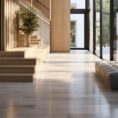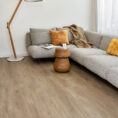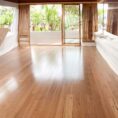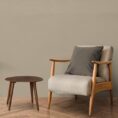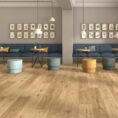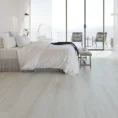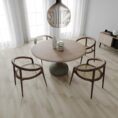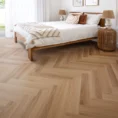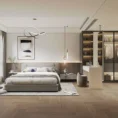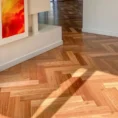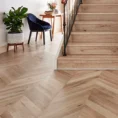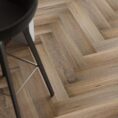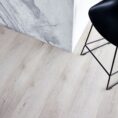
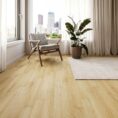





Herringbone Flooring is often chosen by homeowners who value visual balance, proportion, and long-term style. Rather than acting as a background element, this pattern becomes part of the architectural language of a space. In Melbourne interiors, herringbone is commonly used to introduce movement and structure while still maintaining a refined and timeless aesthetic.
When people search for what is herringbone flooring, they are usually exploring more than just a technical definition. They want to understand how this pattern influences the overall look and feel of a room, how it interacts with light, furniture, and colour palettes, and whether it suits both contemporary and classic interiors.
Describes a flooring pattern created by laying rectangular planks at right angles to one another in a repeating zigzag formation. Unlike straight plank layouts, herringbone introduces rhythm and visual direction, guiding the eye naturally across the space.
It is important to note that herringbone is a pattern, not a material. It can be achieved using timber, engineered timber, laminate, or select vinyl products. The material choice affects texture, finish, and performance, but the pattern itself remains the defining design feature.

From a design perspective, herringbone flooring adds depth without overwhelming a space. The repeating pattern creates interest through geometry rather than colour or ornamentation, making it suitable for a wide range of interior styles.
In open-plan layouts, herringbone can subtly define zones while maintaining visual continuity. In smaller rooms, it adds character and sophistication when paired with restrained furnishings and finishes. This versatility is a key reason designers continue to specify herringbone in both modern and traditional homes.
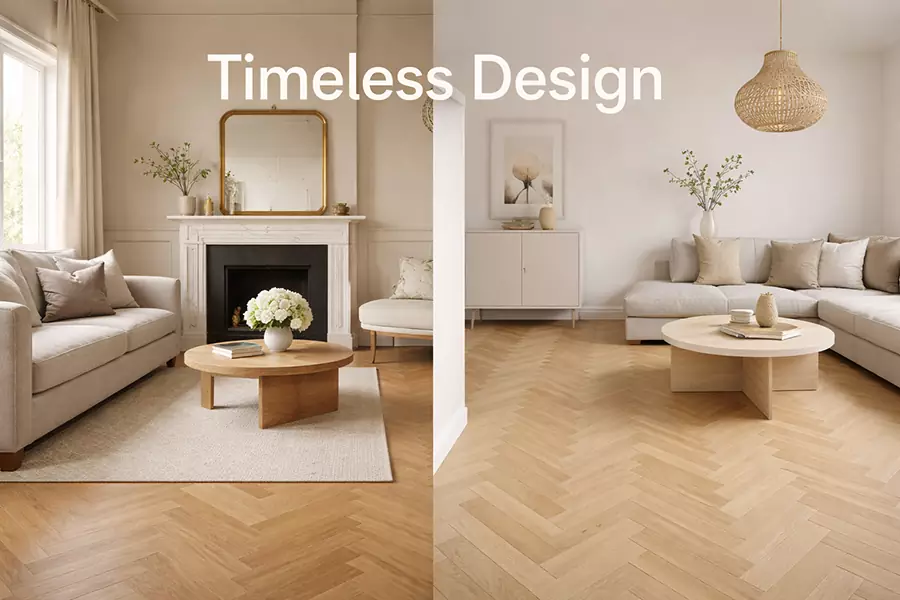
Questions such as is herringbone flooring a fad, is herringbone flooring going out of fashion, and is herringbone flooring timeless often arise during the design phase.
Herringbone is widely regarded as timeless. Its use spans centuries, and its continued presence in contemporary interiors demonstrates its adaptability. While finishes and colours may evolve, the underlying pattern remains relevant. Natural tones and matte finishes tend to support longevity, allowing the floor to age gracefully alongside changing décor.
Material selection plays a significant role in the final appearance of herringbone flooring.
From a design standpoint, the finish, plank size, and tone are often more influential than the material itself. Lighter tones can enhance brightness, while mid-tones add warmth and contrast.

Installation precision is essential to achieving a clean and balanced herringbone layout. The pattern relies on accurate alignment and consistent spacing across the entire floor.
While specific methods vary, the process typically involves careful subfloor preparation, setting a central reference point, and methodical plank placement to maintain symmetry.
The condition of the existing floor is critical.
Older floorboards may introduce unevenness or movement that affects the clarity of the herringbone pattern. In many cases, additional preparation is required to create a smooth, stable surface before installation. This step ensures the pattern remains visually crisp over time.

In most installations, underlay is recommended.
Underlay supports acoustic comfort, helps manage minor subfloor imperfections, and contributes to the overall feel of the finished floor. The appropriate underlay depends on the flooring product and the underlying surface.
The increased investment is usually associated with installation complexity rather than the pattern itself.
The additional time and precision required for herringbone layouts contribute to overall cost considerations. However, many homeowners view this as a worthwhile investment due to the distinctive character and long-term appeal the pattern provides.
| Design Aspect | Impact on Interior |
| Visual rhythm | Adds movement and depth |
| Versatility | Works across multiple styles |
| Pattern clarity | Requires precise installation |
| Longevity | Timeless aesthetic |
| Styling flexibility | Pairs well with neutral décor |
Understanding these elements helps align design intent with practical execution.
Yes. When paired with restrained colours and clean lines, it enhances rather than dominates minimalist spaces.
Yes. The pattern complements both contemporary and classic furniture styles.
Modern laminate products are designed to replicate natural timber textures effectively.
When selected in neutral tones, it is widely considered a long-lasting design choice.
Herringbone flooring offers a refined way to introduce structure, movement, and visual interest into an interior. When thoughtfully selected and installed, it supports both current design preferences and long-term adaptability.
For homeowners focused on aesthetics and enduring style, herringbone remains a compelling flooring option that enhances the overall harmony of a space.