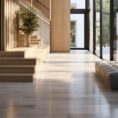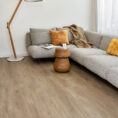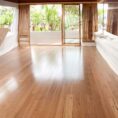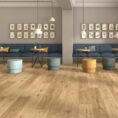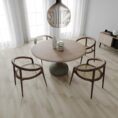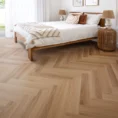


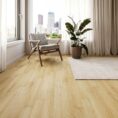





Hybrid and laminate flooring are frequently compared because they deliver a similar timber-inspired appearance, yet they differ significantly in structure and performance. Understanding what is the difference between hybrid and laminate flooring helps clarify which option aligns better with moisture exposure, daily wear, and long-term living needs.
Although both flooring types are popular in residential interiors, their core materials and behaviour under real-world conditions create clear functional differences that are worth considering before making a decision.

The internal composition of flooring influences how it responds to environmental conditions and everyday use.
Hybrid flooring is built around a rigid composite core engineered for stability. This core helps the planks maintain their shape and alignment, contributing to consistent performance across different areas of a home.
Laminate flooring uses a high-density fibreboard core paired with a decorative surface layer. While structurally strong, this core can be affected by moisture if water penetrates seams or edges.
Moisture response is one of the most defining differences between hybrid and laminate flooring.
Hybrid flooring is designed to resist moisture ingress, allowing it to perform reliably in spaces where spills or humidity may occur. Laminate flooring can manage light surface moisture but may be compromised if water remains in contact with joints for extended periods.
This distinction often guides placement decisions throughout a home.
Durability refers to how flooring handles ongoing use over time.
Hybrid flooring generally offers strong resistance to indentation and surface wear due to its rigid core and protective top layer. Laminate flooring performs well in low to moderate traffic areas but may show wear sooner in higher-use environments.

Comfort affects how flooring feels during daily living.
Hybrid flooring typically feels firm and stable underfoot, creating a solid walking surface. Laminate flooring can feel slightly softer depending on underlay choice. Acoustic performance for both options depends heavily on the quality of underlay and installation precision.
Hybrid and laminate flooring are commonly installed as floating floors using click-lock systems. This method allows efficient installation without adhesives.
Hybrid flooring performs best on flat, well-prepared subfloors. Laminate flooring may require stricter subfloor preparation to achieve consistent results. Correct expansion gaps and proper acclimatisation remain essential for both flooring types.
Whether is hybrid flooring better than laminate depends on lifestyle and room usage. Hybrid flooring often suits spaces exposed to varying moisture levels, while laminate flooring remains suitable for dry, controlled environments.

There is no single answer to which is better hybrid or laminate flooring. Hybrid flooring offers versatility and moisture resistance, while laminate flooring continues to appeal for its traditional appearance and suitability in low-moisture spaces.
The best choice depends on matching performance characteristics to the needs of each area.
| Comparison Point | Hybrid Flooring | Laminate Flooring |
| Core construction | Rigid composite core | High-density fibreboard core |
| Moisture behaviour | Moisture resistant | Moisture sensitive |
| Dimensional stability | High | Variable |
| Typical placement | Open-plan, mixed-use areas | Dry living and bedrooms |
| Wear performance | High | Moderate |
Hybrid flooring is often selected for modern homes due to its moisture resistance and adaptable performance.
Both options work well in apartments, with the choice depending on moisture exposure and acoustic preferences.
Hybrid flooring generally requires less caution around moisture, while laminate flooring benefits from prompt spill management.
Understanding what is the difference between hybrid and laminate flooring allows homeowners to make confident decisions based on performance, comfort, and environment. Hybrid flooring provides versatility and moisture resistance, while laminate flooring remains a reliable choice for dry, controlled interiors.