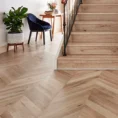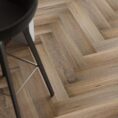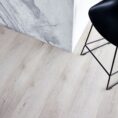


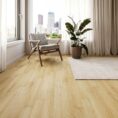





Choosing the best flooring for home gym spaces in Australia requires more than selecting a durable surface. In 2026, home gyms must handle heavy weights, moisture, vibration transfer, and modern design expectations. Whether you are building a garage gym, converting a spare bedroom, or upgrading a luxury training studio, the right flooring system protects your subfloor, improves safety, and enhances long-term performance.
This expert guide explains what is the best flooring for home gym environments using real-world testing criteria, construction technology comparisons, and Australian climate considerations.
Home gym flooring does more than cover the slab, and the right gym flooring protects both the floor and the room around it. A home gym floor performs several critical roles:
Without proper flooring, subfloors can crack, timber can warp, and noise can travel through walls and floors. Therefore, selecting the correct flooring system is a structural decision, not just an aesthetic one.
| Flooring Type | Impact Protection | Water Resistance | Noise Reduction | Best For | Expected Lifespan |
|---|---|---|---|---|---|
| Rubber Tiles (15–20mm) | Excellent | Excellent | High | Heavy lifting & power racks | 15–20 Years |
| Rubber Rolls | Excellent | Excellent | High | Garage gyms | 15–20 Years |
| Hybrid SPC Flooring | Moderate–High | 100% Waterproof | Moderate | Multi-use gym rooms | 20+ Years |
| Luxury Vinyl Plank | Moderate | Waterproof | Moderate | Cardio & light weights | 15–20 Years |
| EVA Foam Mats | Low–Moderate | Good | Moderate | Yoga & stretching | 3–5 Years |
Modern rubber gym flooring consists of compressed SBR or EPDM rubber granules. High-density variants include anti-slip surface textures and enhanced compression resistance. Thickness ranges from 8mm to 30mm, depending on intended use.
Thicker rubber provides greater force absorption and subfloor protection. Commercial-grade rubber typically exceeds 950kg/m³ density.
Hybrid SPC (Stone Plastic Composite) flooring contains:
This rigid structure makes hybrid flooring dimensionally stable and 100% waterproof. Unlike traditional laminate, SPC does not swell in humidity, making it suitable for Australian coastal regions.
Luxury vinyl plank uses flexible PVC layers with a protective wear surface. It provides comfort underfoot and water resistance. However, it lacks the rigid core strength of SPC flooring.
EVA foam is lightweight and shock-absorbing but compresses under heavy loads. Therefore, it suits light exercise rather than strength training.
Rubber flooring remains the best solution for deadlifts, Olympic lifts, and barbell drops. Hybrid and vinyl floors require protective mats when used with heavy equipment.
Hybrid SPC and vinyl are fully waterproof. Rubber resists water but should not trap moisture underneath. Proper ventilation remains important.
High-density rubber significantly reduces impact noise. However, floating hybrid floors with integrated acoustic backing also perform well in apartment environments.
Power racks, treadmills, and rowing machines exert concentrated loads. Rubber handles concentrated pressure better than vinyl or foam.
Pros:
Cons:
Pros:
Cons:
Pros:
Cons:
The answer depends on your training intensity and space layout.
Choose 15–20mm rubber tiles or rubber rolls.
Hybrid SPC flooring combined with rubber mats reduces vibration and maintains modern aesthetics.
Install hybrid flooring throughout and designate a rubber lifting zone.
Interlocking rubber tiles provide flexibility and easy installation.
For premium gym-ready flooring options, explore Arta Floor Products. For tailored advice, contact specialists via Contact Arta Floor. For More Info
Rubber flooring 15–20mm thick offers maximum protection against dropped weights and vibration transfer.
Yes, hybrid SPC flooring is suitable for cardio and multi-use areas. However, heavy lifting zones require protective mats.
Light workouts require 8–10mm. Heavy lifting needs at least 15mm rubber.
High-density rubber combined with acoustic underlay significantly reduces impact noise transmission.
Yes. Sweat, humidity, and accidental spills make waterproof flooring highly recommended in Australian climates.
The best flooring for home gym installations in Australia depends on performance needs. Rubber remains unmatched for heavy lifting. Meanwhile, hybrid SPC flooring offers waterproof durability and modern aesthetics for integrated home spaces.
For optimal performance, many homeowners combine rubber lifting platforms with hybrid perimeter flooring. This balanced approach delivers durability, moisture resistance, and design cohesion.
Explore professional solutions at Arta Floor Products or speak with experts via Contact Arta Floor to design a gym-ready flooring system tailored to your space.